UV Printing vs. Laser Engraving on Acrylic: Which Is the Better Choice for Your Project?
Introduction
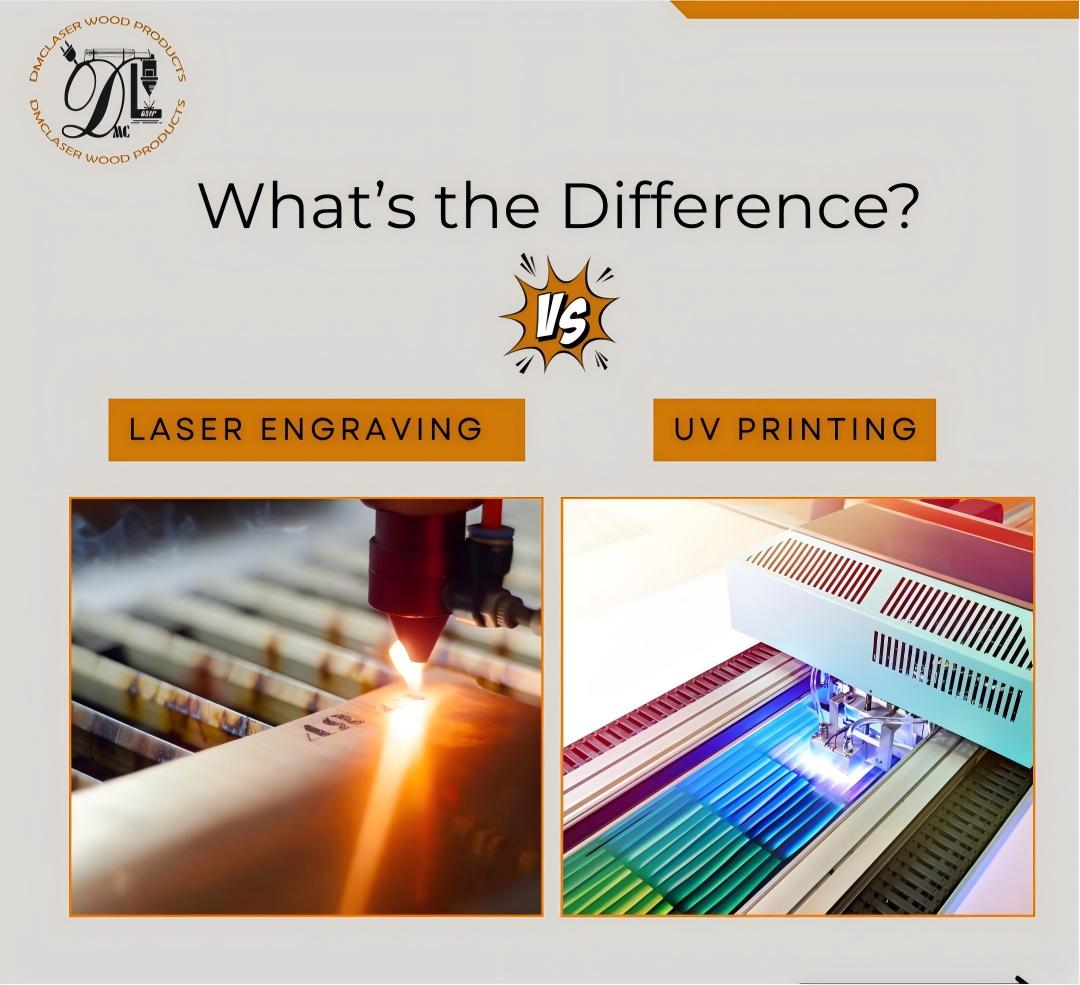
Acrylic, with its crystal-clear texture, has become the preferred substrate for signage, display cases, and high-end brand props. Among the many decorative processes, UV printing and laser engraving are undoubtedly the two most mainstream personalized customization options. While both can perfectly present corporate logos and exquisite patterns, they each have their own strengths in color reproduction, tactile texture, and applicable scenarios. This guide will help you accurately match the process through multi-dimensional comparative analysis, allowing your design concepts to be best realized on acrylic.
# What Is UV Printing on Acrylic?
How UV Printing Works
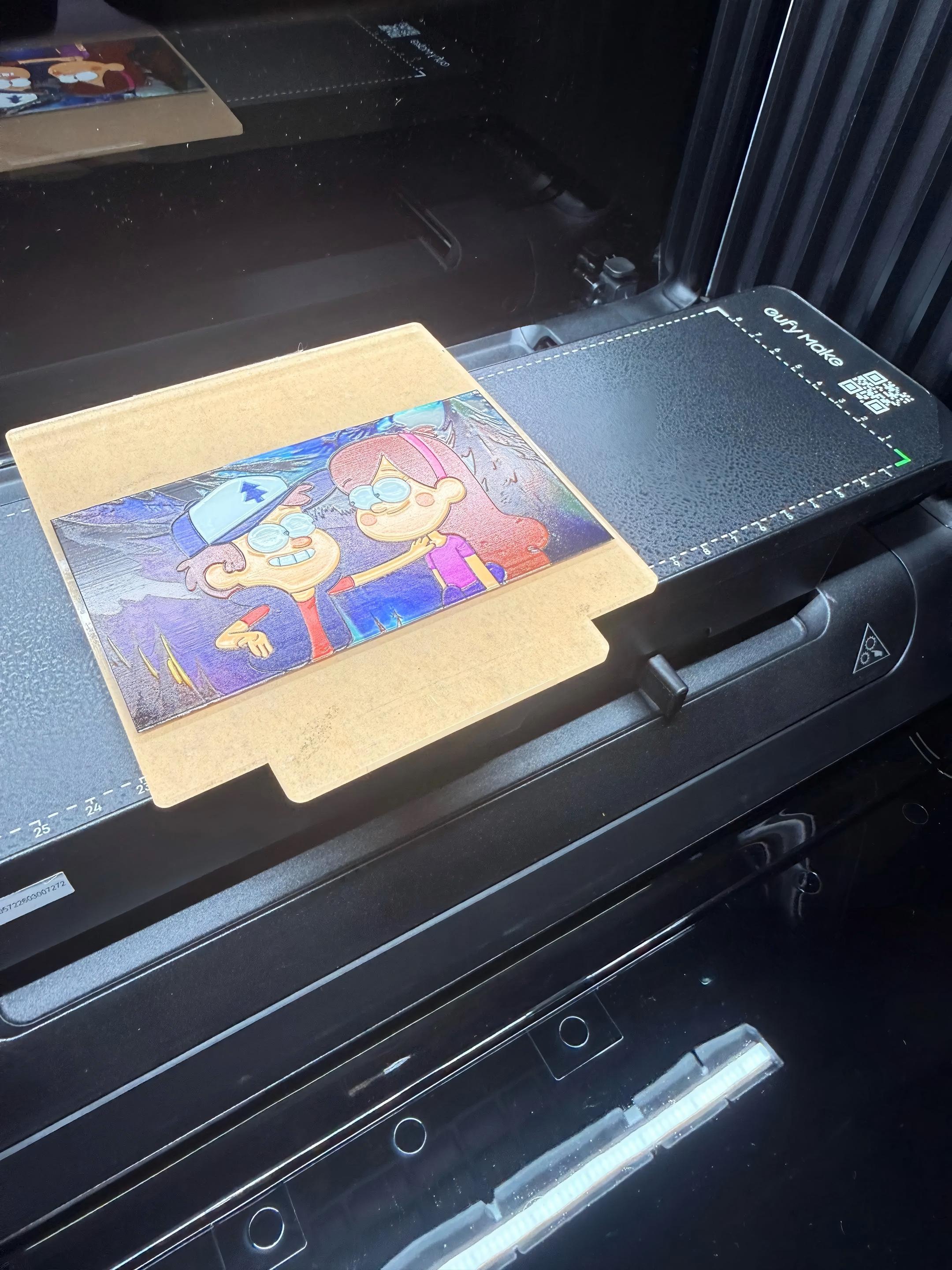
UV printing uses digital direct-to-garment technology to spray UV-specific ink directly onto the acrylic surface. During the printing process, a high-intensity UV lamp moves synchronously with the printhead, instantly triggering the ink's photocuring reaction, transforming it from a liquid to a solid state. Because the ink does not absorb or smudge, this process can accurately reproduce full-color images, subtle gradations, and high-resolution photographs, presenting visually striking color saturation and clarity.
Key Advantages&Typical Applications
UV printing breaks through the limitations of traditional processes with its near-limitless color expression capabilities. It can not only accurately reproduce brand colors but also present photo-quality high-definition images and delicate gradations. Relying on plateless digital printing technology, it eliminates the cumbersome plate-making process, enabling rapid response and instant delivery for small-batch orders. It is an ideal choice for creating high-end brand images and promotional products, allowing creativity and efficiency to go hand in hand.With its superior color reproduction and efficient customization capabilities, UV-printed acrylic is widely used in retail display shelves, shopping mall advertising light boxes, and various POP promotional displays. Its high-definition image quality makes it the first choice for producing photographic display panels, and its application in cosmetic display cases can precisely complement the high-end brand image with its crystal-clear texture.
# What Is Laser Engraving on Acrylic?
How Laser Engraving Works
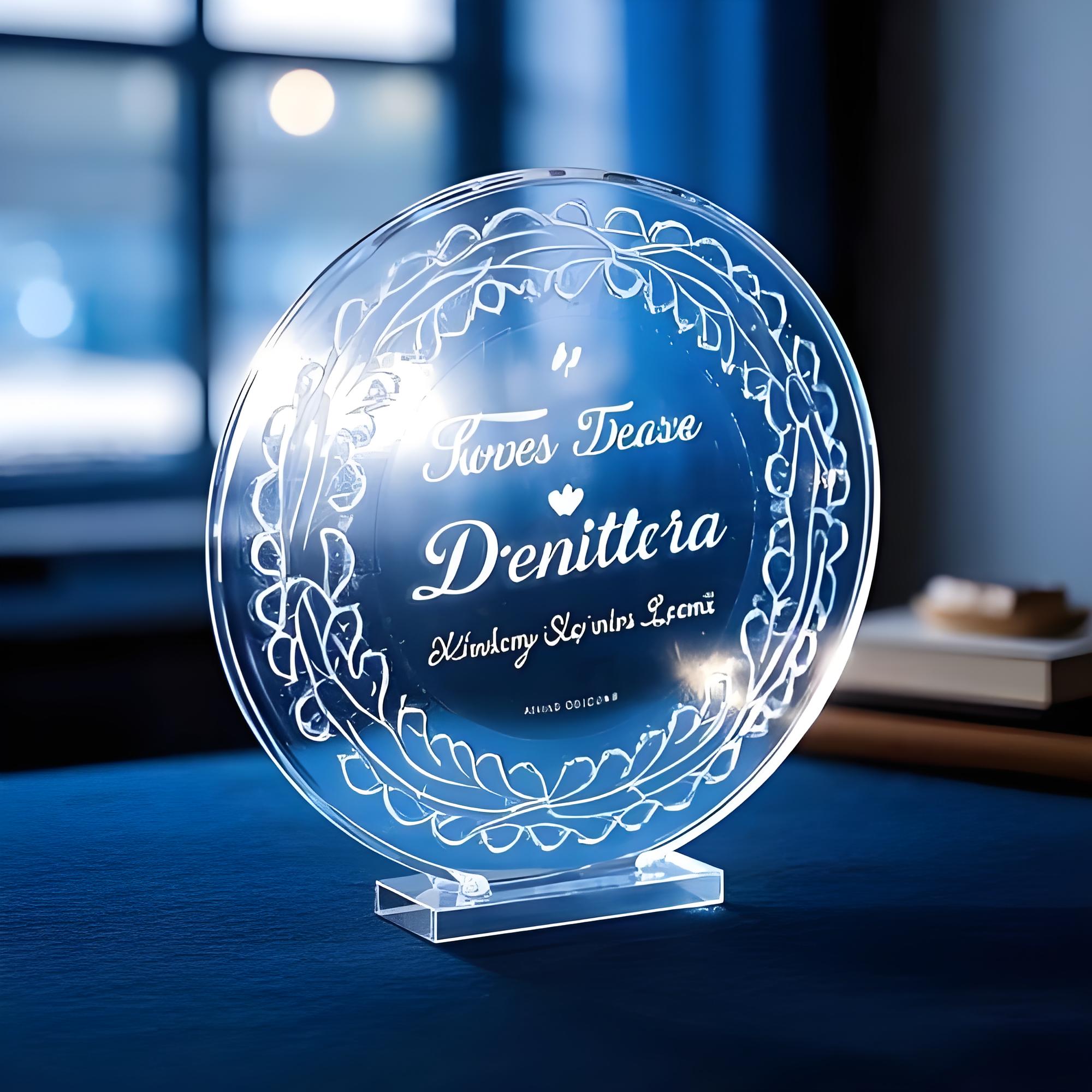
Laser engraving utilizes a high-energy laser beam to instantly vaporize the thin coating on the acrylic surface, forming a permanent mark that will never peel off. For transparent sheets, the thermal effect of the laser causes a unique "powdering" crystallization on the cut surface, resulting in a warm, frosted white effect similar to jade. The entire process requires no inks or chemical consumables; it relies solely on photothermal action to complete precise processing, making it environmentally friendly and stable.
Key Advantages&Typical Applications
Laser engraving creates permanent marks through physical etching, boasting exceptional wear and scratch resistance, unaffected by the passage of time. Its micron-level spot precision allows for the reproduction of extremely fine lines and tiny text, ensuring clear readability of information such as serial numbers and QR codes. The unique matte white visual effect lends products a sophisticated and understated elegance, making it an ideal process for those seeking quality and reliability. Thanks to its durability and precision, laser engraving is widely used in the production of medals, trophies, corporate nameplates, and labels for high-end equipment. Whether it's a commemorative item symbolizing honor or a company logo and decorative panel requiring long-term preservation, laser engraving provides a professional and enduring presentation.
UV Printing vs. Laser Engraving: A Side-by-Side Comparison
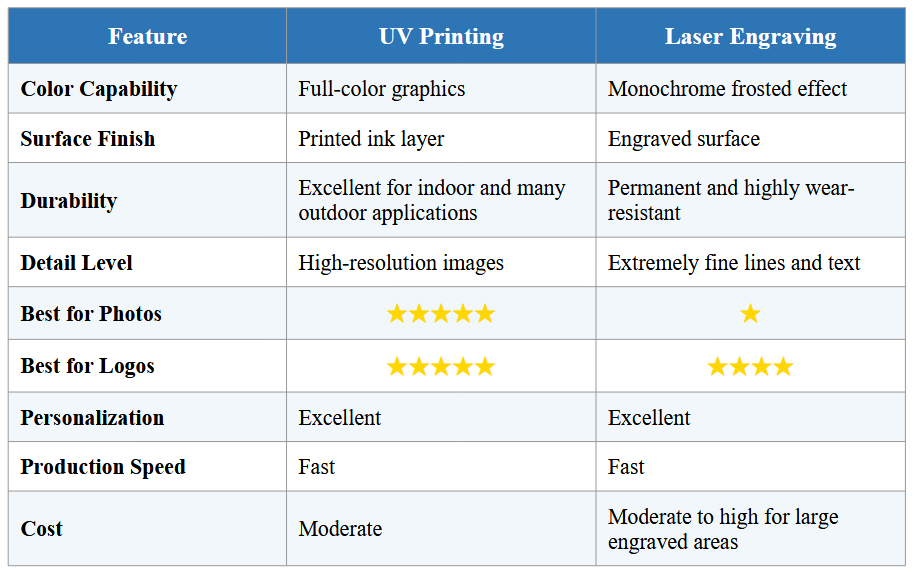
UV printing excels in color and image reproduction—supporting full-color high-definition graphics, with extremely high fidelity to photos and complex logos (both five stars), making it suitable for visually impactful and colorful indoor and outdoor display applications; it is also moderately priced and fast. Laser engraving, on the other hand, prioritizes durability and precision—offering a single-color matte white effect, but with permanent wear resistance and extremely fine lines, making it particularly suitable for serial numbers, QR codes, and professional logos that require long-term clarity (logos four stars); however, it is more expensive for large-area engraving. Both perform equally well in terms of personalization and production speed (both excellent/fast), the key trade-off being: choose UV for rich colors, and choose laser for durable precision.
# Which Process Is Better for Different Applications?
If your project emphasizes visual impact and color storytelling—for example, requiring full-color product photos, eye-catching brand marketing materials, or the production of small batches of personalized display props—UV printing is undoubtedly the best solution. With photo-realistic precision and vibrant gradient tones, it instantly captures attention, turning each piece of acrylic into a mobile billboard.
Conversely, if the application demands stringent durability and texture, such as creating equipment nameplates, asset identification numbers, or minimalist luxury brand logos, laser engraving is a superior solution. The matte white effect created through physical etching not only gives the product a low-key, luxurious feel but also ensures the logo is wear-resistant, corrosion-resistant, and colorfast over long-term use, remaining as good as new.
Can UV Printing and Laser Engraving Be Combined?
Of course! UV printing and laser engraving are not mutually exclusive; in fact, their combination is key to advancing acrylic craftsmanship. A typical hybrid manufacturing process usually begins with laser engraving—precisely etching a brand logo or fine texture onto the acrylic surface, followed by UV printing to overlay a full-color pattern, sometimes even using a white ink underlayer or localized high-gloss UV to create a strong three-dimensional contrast. This "carve first, then print" process allows light and color to engage in a deep dialogue on the same plane.
The advantages of this composite process are obvious: laser engraving provides a permanent physical texture, while UV printing contributes rich visual layers; the combination creates a highly recognizable "high-end look." Whether it's showcasing prestigious corporate awards, emphasizing high-end retail displays with meticulous detail, or creating highly collectible customized gifts and packaging, hybrid processes can greatly expand design boundaries and significantly enhance brand image and recognition.
Factors to Consider Before Choosing
Product Use
First, clarify the core positioning of the product: is it more decorative (e.g., display props, art pieces, emphasizing color and texture) or more functional (e.g., equipment nameplates, serial number labels, emphasizing durability and readability)? The intended use directly determines the priority of the process.
Indoor vs. Outdoor Use
Consider environmental exposure conditions. For indoor products, UV printing is preferred for high color saturation; for outdoor scenarios, assess the effects of ultraviolet radiation, temperature, and humidity—UV inks require UV-resistant coatings, while laser engraving is naturally weather-resistant and more suitable for long-term exposure.
Design Complexity
The design content determines the boundaries of the process. If it contains photo-realistic images, rich gradients, or multi-color branding, UV printing is irreplaceable; if it's only a monochrome logo, thin-line icon, or text code, laser engraving is sharper and more efficient.
Budget
Compare the overall production cost rather than the unit price. UV printing has no plate-making fee, but ink costs increase with area; laser engraving equipment depreciates more, but the marginal cost per unit is lower. For small orders, consider the overall quote; for large orders, consider economies of scale.
Order Quantity
In the prototyping stage, rapid iteration is emphasized; UV printing allows for sample production with file modifications. During mass production, laser engraving offers a significant speed advantage for fixed graphics, while UV printing provides greater flexibility for multiple versions and small batches. The price-volume curves differ, and the selection varies depending on the minimum order quantity.
Conclusion
UV printing and laser engraving each have their strengths: the former, with its full-color, high-definition visual impact, is the top choice for brand marketing and personalized displays; the latter, with its physical etching permanence and matte texture, dominates the field of precision signage and high-end decoration. In actual projects, the two are by no means a simple either-or choice—by using a hybrid process of "engraving before printing," the three-dimensional texture of laser and the color gradation of UV can be cleverly combined, often achieving an optimal balance of appearance, durability, and functionality on a single acrylic substrate, opening up a wider creative space for high-end customization.