The Complete Guide to Acrylic Polishing Process: Methods, Benefits, and Applications
Introduction
Although acrylic is hailed as the "Queen of Plastics," even the most expensive sheets will appear cheap and crude without professional polishing. This "Ultimate Guide to Acrylic Polishing" reveals the secrets behind transforming raw stock into a crystal-clear finish. We provide a comprehensive overview of various techniques—ranging from traditional mechanical sanding (wet sanding) and the visually striking flame polishing to industrial-grade diamond-edge machining, meticulous buffing, and efficient chemical polishing. Beyond analyzing the core advantages and limitations of each method, the article draws on real-world commercial applications—such as high-end retail displays, precision optical instruments, LED lighting modules, and home décor—to demonstrate how to select the optimal polishing solution based on factors like sheet thickness, edge geometry, and budget constraints. By the end of this guide, you will have mastered the techniques for achieving glass-like clarity on acrylic edges, thereby elevating your product's quality while effectively avoiding common pitfalls such as stress cracking and optical distortion.
What Is Acrylic Polishing?
Acrylic Polishing Definition
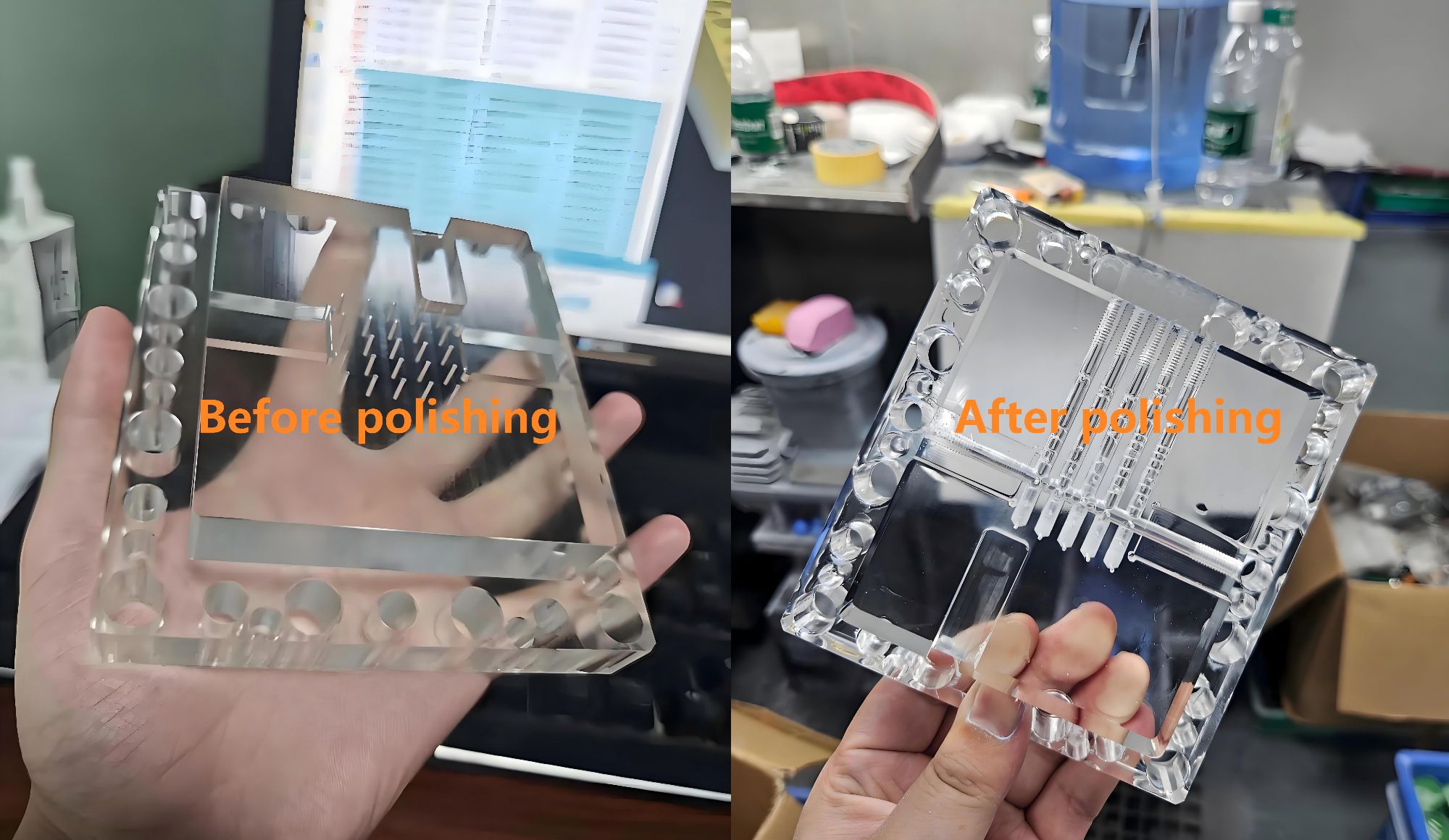
Acrylic polishing is a finishing process applied to the edges or surfaces of acrylic sheets after they have undergone cutting, sawing, or milling. It involves using physical or chemical methods to eliminate microscopic irregularities, transforming surfaces that were originally matte, rough, or marked by tool cuts into smooth, flat, mirror-like finishes with high light transmission. This process allows light to pass through the edges unobstructed, giving them a visual quality akin to glass—or even creating the illusion that the edge has "disappeared."
The purpose of polishing
The primary purpose of polishing is to restore the optical clarity of the acrylic. Machining marks and burn layers scatter light—causing edges to appear whitish—but polishing completely eliminates these imperfections. Secondly, it elevates the product's quality, imparting a crystal-like brilliance to the material—a standard feature for high-end retail displays and museum showcases. Furthermore, polishing removes stress concentration points, preventing the propagation of micro-cracks during future use, while also making the surface easier to clean to meet hygiene standards in the medical and food industries.
Why is polishing necessary after machining?
Virtually all mechanical machining processes damage the surface of acrylic. Sawing leaves behind rough, frosty edges; CNC milling leaves spiral tool marks; and laser cutting can cause edge carbonization and yellowing. These defects are not merely aesthetic issues; they act as sources of light scattering and traps for dirt, and can even serve as initiation points for material cracking. Consequently, polishing serves as an indispensable bridge between "rough processing" and the "finished product"; without this step, even a precision-cut sheet remains nothing more than a semi-finished product.
The Difference Between Polishing and Sanding
Although both are forms of surface treatment, sanding and polishing occur at completely different stages. Sanding is a preparatory step—a physical leveling process that proceeds from coarse to fine; it typically employs sandpaper to progressively remove deep scratches, ultimately yielding a smooth, matte finish. Its primary objective is to achieve flatness. Polishing, by contrast, is the final optical finishing step; it utilizes thermal energy, diamond tools, or chemical solvents to seal the material's surface at a microscopic level, thereby creating luster and transparency. In short, sanding is for leveling, while polishing is for achieving a glossy, radiant finish.
Why Is Acrylic Polishing Important?
Enhance optical performance and surface smoothness.
The primary value of polishing lies in restoring and maximizing the optical performance of acrylic. Untreated edges—riddled with tool marks and micropores—severely scatter light, resulting in a cloudy, whitish appearance; in contrast, polishing reshapes the microscopic surface, restoring light transmission to over 92% (approaching that of the bulk material) and ensuring uniform light propagation for applications such as LED light guide plates and optical windows. Furthermore, this process transforms jagged microscopic edges into ultra-smooth surfaces, not only enhancing tactile comfort but also eliminating breeding grounds for dust and bacteria, thereby meeting hygiene compliance standards for clean environments in sectors like healthcare and food processing.
Repairing scratches and optimizing product appearance
During handling and rough processing, the surface of acrylic inevitably sustains light to moderate scratches and imperfections. The polishing process removes damaged surface layers layer by layer, restoring worn or marred sheets to a like-new condition; this restorative capability significantly extends the product's lifespan, preventing the need to scrap an entire piece due to minor flaws. Moreover, polishing imparts a distinctive, crystal-like quality to the acrylic—whether through the sharp, brilliant sheen of diamond polishing or the smooth, rounded edges created by flame polishing. These finishes markedly enhance the product's refinement, making it a captivating visual focal point in applications such as cosmetic displays, high-end liquor cabinets, and art installations.
Improving Customer Experience and Enhancing Product Value
High-quality polishing enhances the user's perception of product quality through both visual and tactile appeal. When customers touch smooth, burr-free edges and view merchandise displayed with flawless clarity, the experience far surpasses that of rough, semi-finished goods. In terms of pricing, this transformation from "semi-finished product" to "premium item" allows manufacturers to command higher price premiums in sectors such as retail displays, architectural decoration, and custom furniture—truly realizing the concept of "adding value through craftsmanship."
Different Acrylic Polishing Methods
Flame Polishing
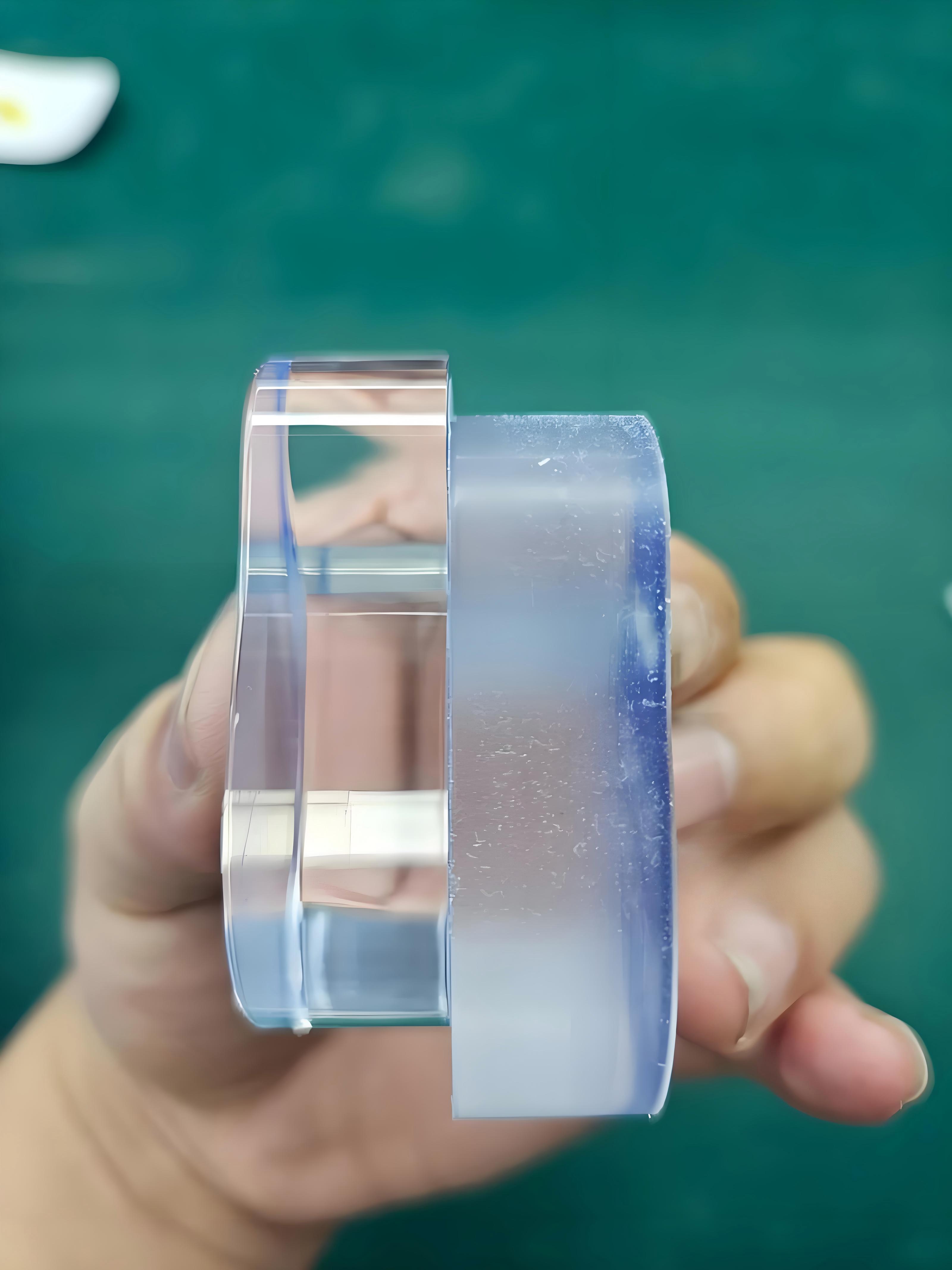
Flame polishing involves rapidly passing an oxy-hydrogen or natural gas flame over acrylic edges, causing the surface layer to melt slightly and self-level via surface tension; this transforms rough, frosted edges into high-gloss, mirror-like surfaces with glass-like clarity. This thermoplastic process requires no abrasives or chemicals and completes straight-edge finishing in seconds, offering high efficiency and low operating costs. It is particularly well-suited for the straight edges of thin sheets where visual brilliance is paramount, allowing light to refract with a dazzling, crystalline effect.
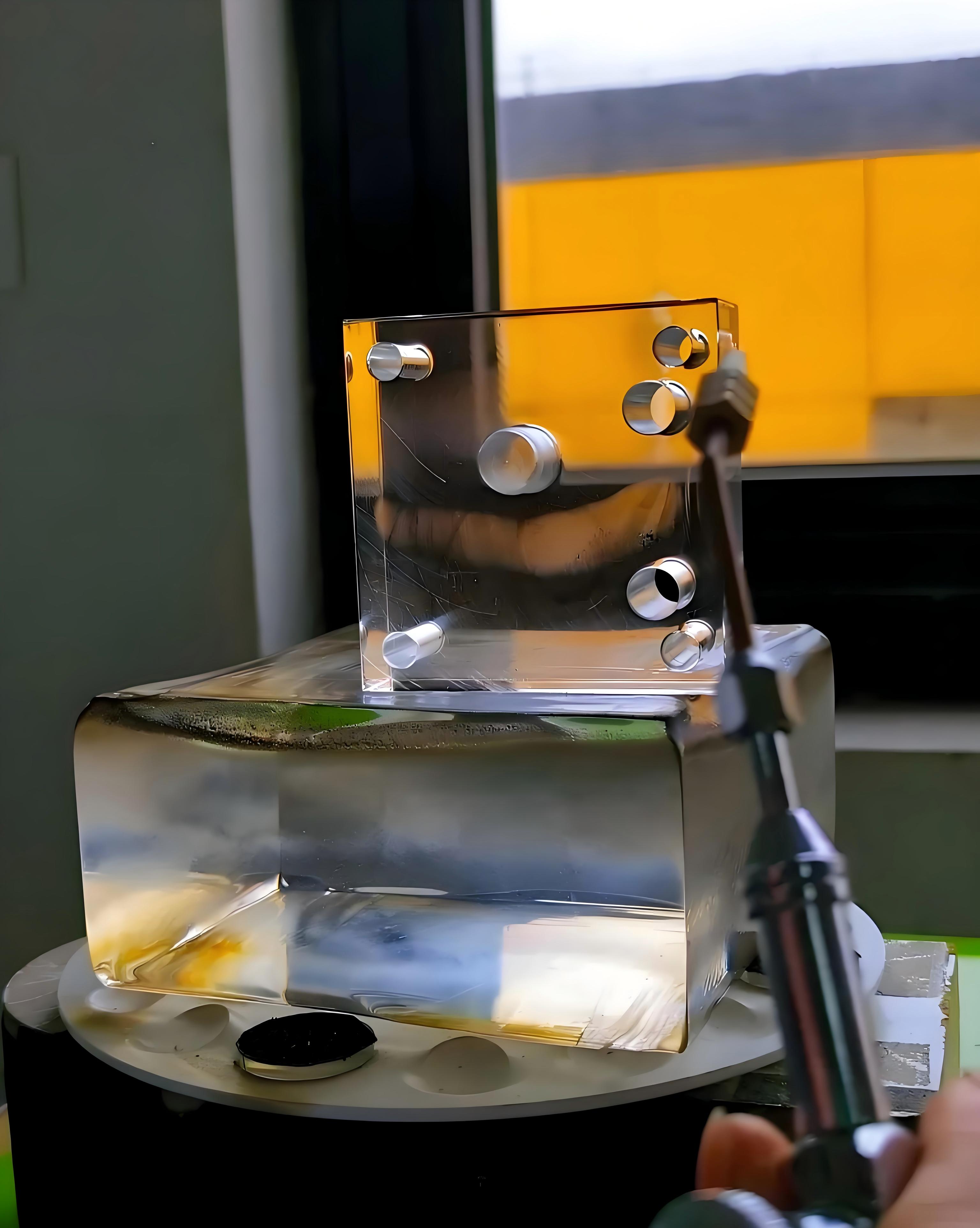
However, the process carries a significant risk of thermal stress. Because it relies on high temperatures, improper parameter control can easily induce micro-cracks along the edges, leading to failure during subsequent use. Additionally, the flame tends to round off sharp corners, making it unsuitable for applications requiring crisp right angles or strict dimensional tolerances. Furthermore, the technique is limited to straight lines or arcs with very large radii—unable to access sharp internal corners or complex cutouts—and the high heat destroys anti-static and hard coatings, rendering it strictly unsuitable for functional sheet materials.
In practice, flame polishing is the preferred choice for non-functional display items where aesthetic perfection is the goal. It is widely used for cosmetic display cases, jewelry stands, illuminated signage returns, and the straight-cut edges of various signs, significantly enhancing the product's refined appearance. Conversely, for industrial components featuring internal contours, requiring precision assembly, or demanding ESD protection, this method should be avoided in favor of cold-processing alternatives.
Diamond Polishing
Diamond polishing is a precision process that employs a high-speed rotating cutter head embedded with Polycrystalline Diamond (PCD) to perform micron-level physical cutting on acrylic edges. Unlike flame polishing, which relies on thermal melting, this method uses an ultra-sharp diamond edge to "plane" the material, directly removing rough saw marks and leaving behind a surface with optical-grade clarity. It is currently the only cold-processing technique capable of imparting extreme transparency to acrylic edges without compromising the material's internal structure; this is precisely why high-end luxury display manufacturers favor it—it preserves the acrylic's inherent hardness while creating a gemstone-like refractive effect.
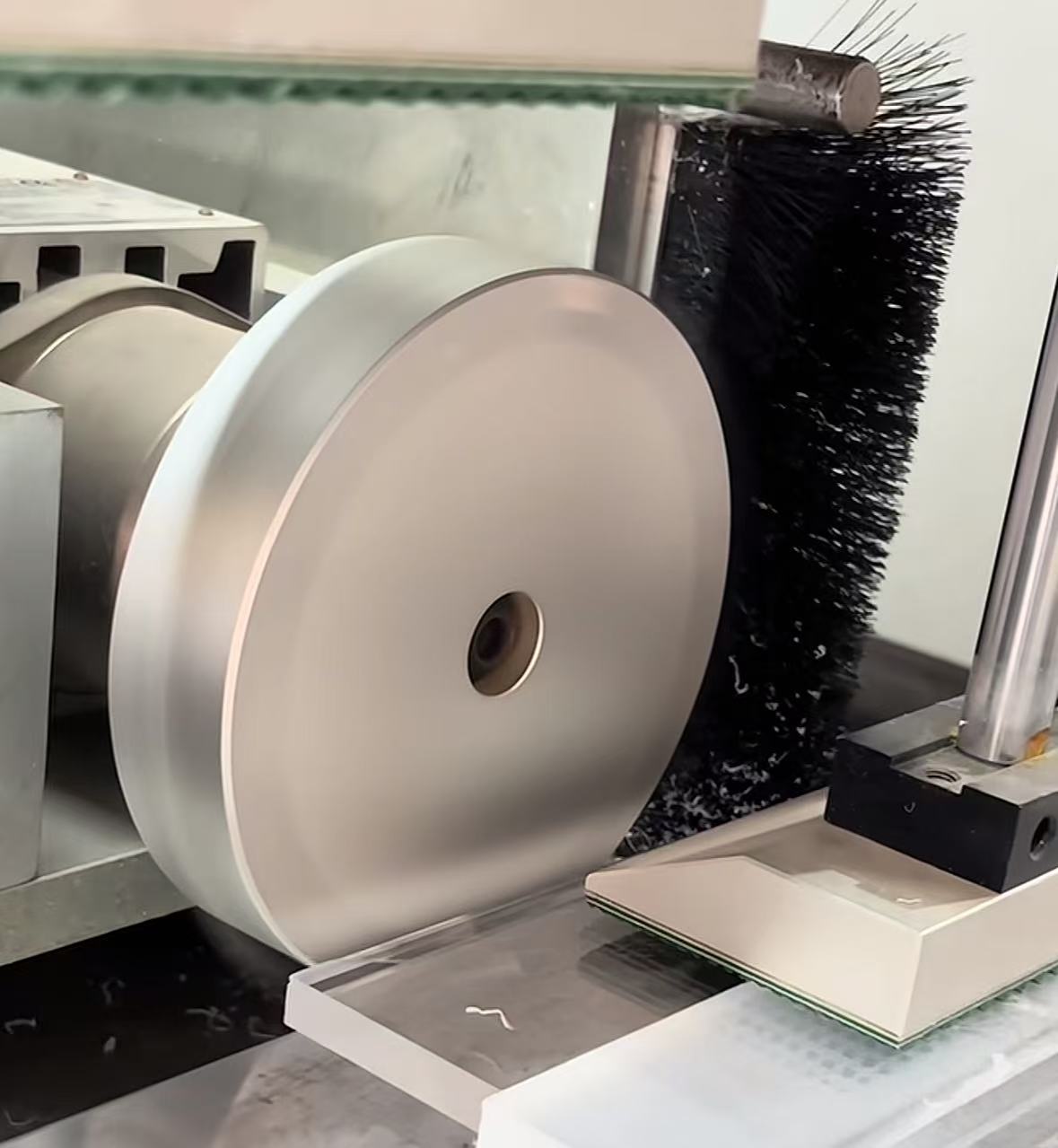
The strength of this process lies in its uncompromising pursuit of quality. "Highest transparency" is its hallmark; the polished edge offers light transmission identical to the main body of the sheet, ensuring no diffuse reflection or distortion as light passes through. The edges are exceptionally smooth—delicate to the touch like a baby's skin—and, unlike thermal processing, the method avoids stress concentration, thereby eliminating the risk of future cracking. The result is a premium finish characterized by a cool, sharp, and deep luster—an industrial aesthetic of precision that the rounded edges produced by flame polishing simply cannot match.
Diamond polishing plays a pivotal role in the luxury display sector. In cosmetics displays, the edges of stands for lipsticks, perfumes, and skincare products must be flawlessly crystal-clear to complement the products' high-end positioning. In jewelry displays, diamond-polished acrylic edges can rival the brilliance of the jewelry itself; their straight lines and perfect light refraction faithfully render the true colors of the gems, ensuring the viewer's gaze remains fixed on the exhibit without distraction from rough or imperfect borders.
Buffing / Wheel Polishing
Buffing—using a high-speed rotating cotton or sisal wheel paired with specialized polishing compounds (such as green or white wax)—is a traditional process for the gentle, abrasive finishing of acrylic surfaces and edges. Unlike the rigid cutting of diamond tools or the instantaneous thermal melting of flame polishing, this method relies on the microscopic abrasive particles within the polishing compound to gradually "eat away" at surface irregularities and fine scratches. Its defining characteristic is its "flexibility": the buffing wheel conforms to the workpiece's contours and reaches areas inaccessible to diamond tools or flames. Consequently, it often serves as a complement to other polishing methods, removing faint marks left by earlier processing stages or repairing accidental surface damage.
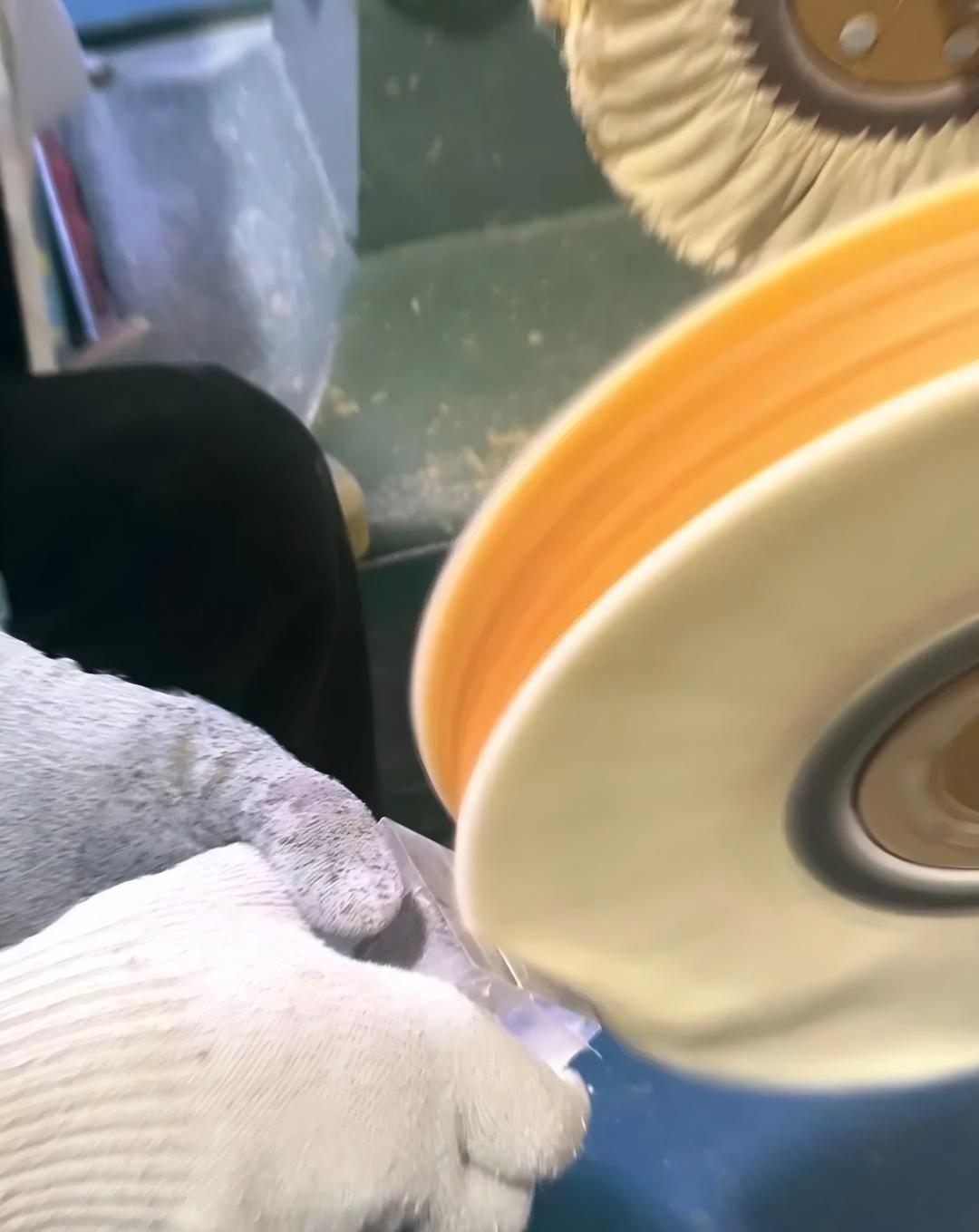
As a classic manual finishing technique, buffing remains irreplaceable in the realm of hand-craftsmanship. Skilled artisans can precisely control pressure and angles to treat the edges of irregularly shaped parts that are difficult for machines to clamp, or to refine the microscopic tool marks left by diamond polishing. For small-batch custom orders—where firing up large-scale automated equipment is not cost-effective—buffing is the preferred choice for workshops and studios due to its low equipment costs and operational flexibility. It is also a lifesaver for repair work; when a finished product is scratched or an old acrylic display case loses its luster, a buffing wheel combined with the right abrasive paste can magically erase scratches and restore the material's original clarity, saving the piece from being scrapped.
Although buffing is less efficient than mechanized assembly lines and relies heavily on the artisan's skill, it offers unique advantages in handling irregular shapes, repairing imperfections, and achieving a superior tactile finish. Whether restoring the patina of a vintage acrylic furniture piece or applying the final touches to a unique art installation, the skilled hands guiding the buffing wheel remain a crucial element in breathing soul into the acrylic.
CNC Polishing
CNC polishing is an advanced process that combines the precision of CNC milling with flexible polishing technology. It employs computer programming to control the path, pressure, and rotational speed of polishing tool heads—such as specialized grinding heads, wool wheels, or floating polishing discs—to achieve deterministic, micron-level material removal from acrylic surfaces or edges. Unlike the unpredictability of manual buffing or the temperature sensitivity of flame or vapor polishing, CNC polishing utilizes precise axial control and constant process parameters to systematically eliminate surface roughness while preserving the acrylic's original geometry. This enables repeatable, traceable, and high-precision surface finishing, serving as an industrial pathway to achieving "optical-grade" surfaces.
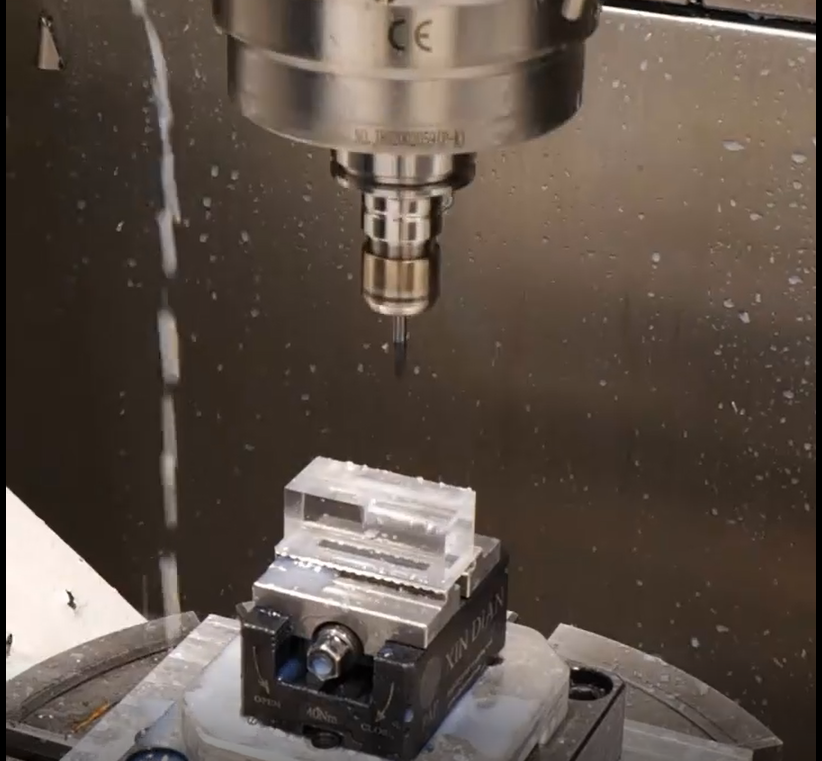
This process is a core solution in high-precision manufacturing, particularly for market segments with stringent tolerance and surface quality requirements. In microfluidics, where micron-scale fluid channels must be machined into acrylic substrates, CNC polishing ensures that channel walls are perfectly smooth and burr-free, guaranteeing linear fluid flow. In the medical sector—for applications such as cell culture dishes or transparent windows in diagnostic analyzers—CNC polishing meets strict cleanliness standards by ensuring surfaces are free of "dead zones" and are biocompatible. For optical components and precision parts (such as laser safety goggles, lens molds, or high-precision sensor housings), CNC polishing not only achieves exceptional light transmission and surface flatness (with extremely low Ra values) but also strictly controls surface form accuracy; this prevents surface distortion caused by over-polishing and ensures stable optical performance.
In short, when a product requires not merely "visual clarity" but also "measurable precision," CNC polishing is the ideal choice. It effectively resolves the challenges associated with traditional polishing methods—such as the difficulty of controlling material removal on complex curved surfaces and the risk of altering part dimensions—thereby providing a robust process foundation for high-end manufacturing.
Comparison of Acrylic Polishing Methods
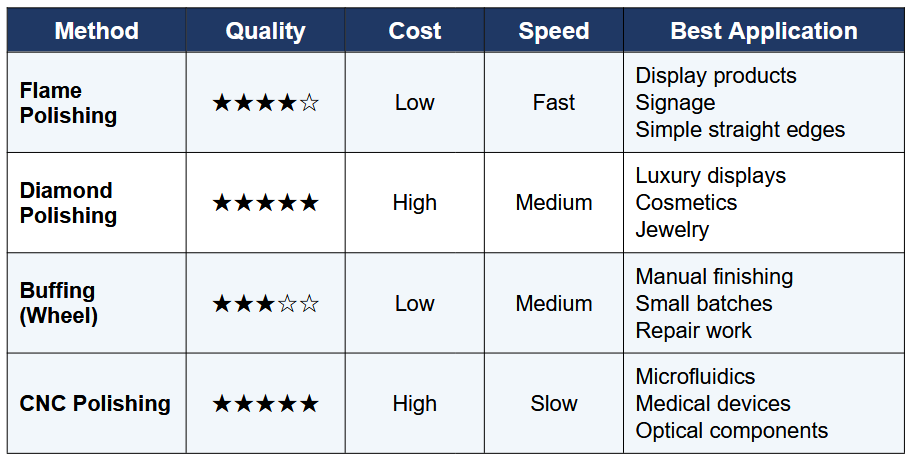
Flame polishing dominates the high-volume processing of straight edges thanks to its low cost and high efficiency. While diamond and CNC polishing entail higher costs, they represent the pinnacle of aesthetic appeal and industrial precision, respectively, making them the preferred choices for high-end displays and precision manufacturing. Meanwhile, buffing—with its exceptional versatility—serves as an economical solution for small-batch customization and on-site repairs. In short: choose diamond polishing for ultimate clarity, flame polishing for mass-production efficiency, CNC polishing for tight tolerances, and buffing for flexible repair capabilities.
How to Choose the Right Polishing Method
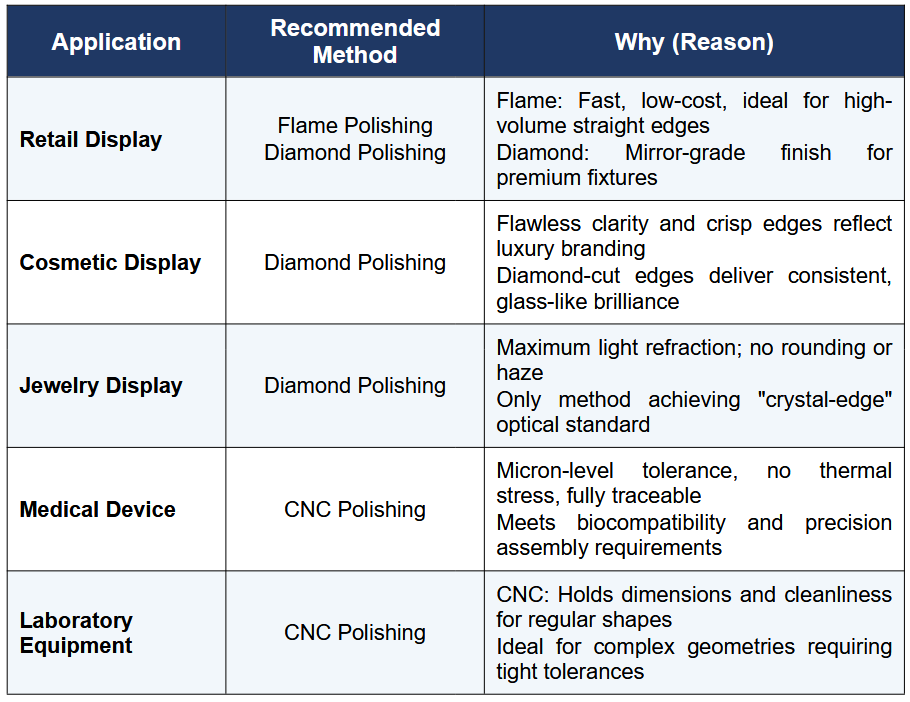
In the retail and luxury sectors, a combined strategy of flame polishing and diamond polishing strikes a perfect balance between cost and aesthetic quality; conversely, in high-precision fields such as healthcare and laboratory science, CNC polishing represents the only reliable method to meet stringent compliance requirements and complex geometric precision standards. This underscores a fundamental principle: the application context dictates the choice of process. Diamond polishing takes precedence when visual appeal is the primary objective, whereas CNC polishing stands as the non-negotiable standard when functional safety and dimensional accuracy are the critical requirements.
Tips for Maintaining Polished Acrylic
Cleaning

Use a microfiber cloth and mild soapy water or anti-static cleaner.
Wipe gently in circular motions; never scrub dry.
Air dry or blot dry—avoid paper towels.
Transport
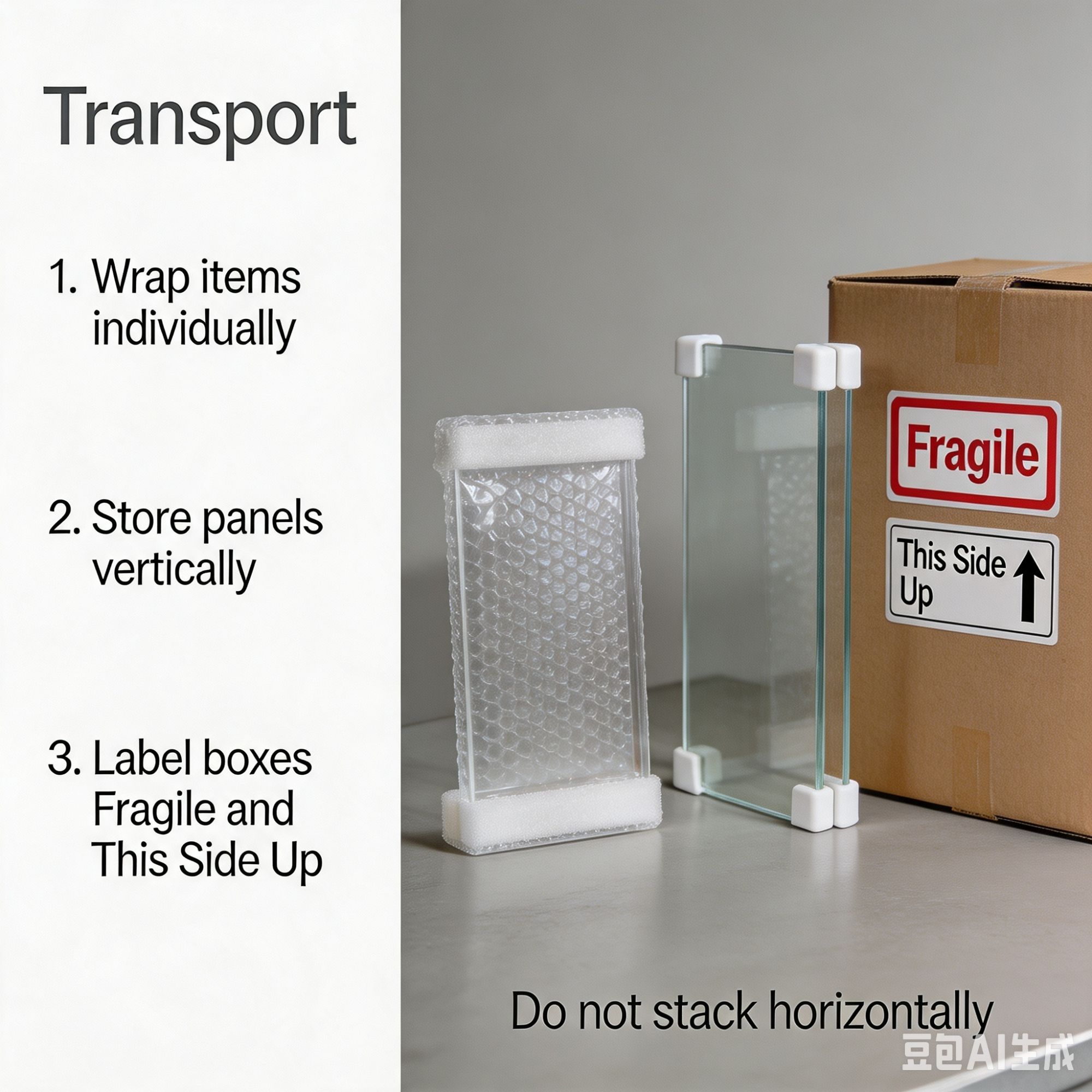
Wrap items individually in soft foam or bubble wrap.
Store panels vertically, not stacked horizontally.
Label boxes "Fragile" and "This Side Up."
Packaging
Seal with anti-static PE film for dust protection.
Use rigid cardboard or wooden crates for support.
Add EPE corner protectors for polished edges.
Avoiding Scratches
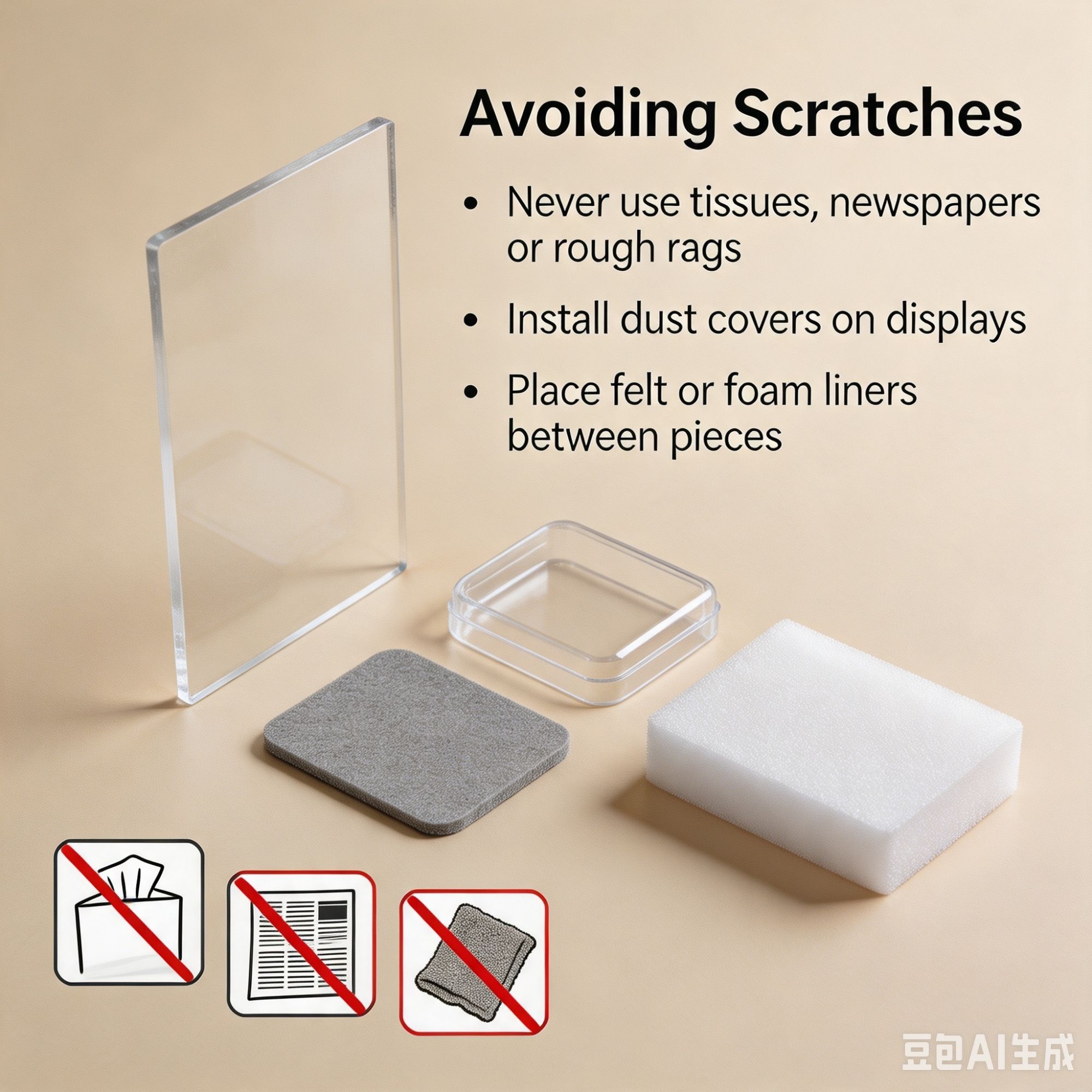
Never use tissues, newspapers, or rough rags.
Install dust covers on displays to limit exposure.
Place felt or foam liners between stacked pieces.
Recommended
Microfiber Cloth: Lint-free, non-abrasive, and safe for optical surfaces.
Anti-static Cleaner: Reduces dust buildup and fingerprint smudges.
Why Choose Max Custom Acrylics
## Precision CNC Machining
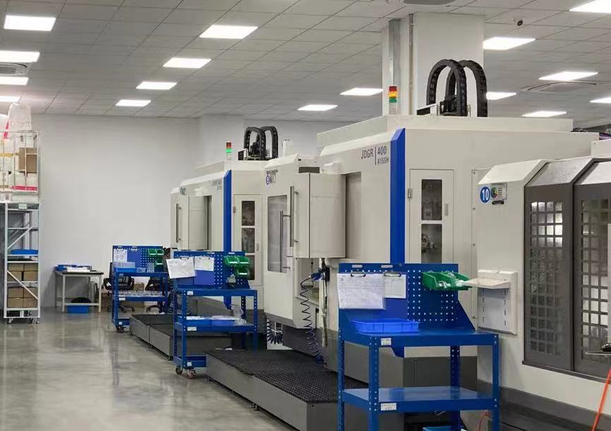
We operate a fleet of multi-axis CNC routers and mills calibrated to maintain tolerances within ±0.1mm. Every cut is programmed, simulated, and verified before production, ensuring your parts fit perfectly the first time—whether it's a single prototype or a 10,000-piece run.
Multiple Polishing Technologies
From high-speed flame polishing for straight-edge displays to diamond edge cutting for luxury retail, vapor polishing for complex 3D geometries, and CNC-based optical finishing for medical devices—we match the right polishing method to your exact application, not a one-size-fits-all approach.
OEM / ODM Support
Our engineering team works directly with your designers and procurement staff to refine drawings, suggest material alternatives, and optimize manufacturability. Whether you need white-label production under your brand or a fully custom design from concept to delivery, we provide end-to-end support.
Strict QC
Quality control is embedded at every stage: incoming material inspection with full certification (RoHS, REACH, ANSI/ESD), in-process dimensional checks, surface-resistance mapping for anti-static parts, and a final inspection before shipment. We are ISO 9001 certified and welcome third-party verification.
Global Shipping
With export experience across North America, Europe, and Asia-Pacific, we handle all documentation, customs clearance support, and protective packaging for long-haul transit. Your parts arrive on time, intact, and ready for installation—no matter where your facility is located.
Custom Manufacturing
No two projects are alike. We routinely produce everything from cleanroom observation windows and ESD-safe jigs to high-end cosmetic counters and microfluidic prototypes. Share your drawings or concept, and we'll deliver a tailored solution that meets your technical, aesthetic, and budgetary requirements.
Want me to generate this section as a formatted Word document to match your previous guides?