Material Guides
Understand acrylic grades, properties, and how to select the right material for your application.
Cast Acrylic vs. Extruded Acrylic
Cast acrylic is produced by pouring liquid MMA between glass molds and polymerizing it. This process produces sheets with superior optical clarity, more consistent thickness, and better machining characteristics. Extruded acrylic is produced by pushing acrylic pellets through a die, resulting in more economical sheets with good optical properties but slightly less consistency. For premium displays and precision parts, choose cast acrylic. For volume production where cost is a priority, extruded acrylic is a strong option.
PETG — The Impact-Resistant Option
PETG (Polyethylene Terephthalate Glycol) offers excellent impact resistance while maintaining good clarity. It's commonly used for protective barriers, retail fixtures, and medical device housings. PETG can be cut, drilled, and thermoformed, though it requires specialized bonding techniques compared to acrylic.
Polycarbonate — Maximum Durability
Polycarbonate is the most impact-resistant clear plastic available — approximately 250 times stronger than glass. It's ideal for machine guards, safety shields, and industrial applications where durability is critical. Note that polycarbonate can yellow over time with UV exposure unless UV-stabilized grades are specified.
Material Thickness Considerations
Acrylic sheets are available from 1mm to 50mm in thickness. Thinner sheets (1-3mm) are suitable for lightweight displays and signage. Medium thicknesses (4-10mm) work well for structural displays, shelving, and most commercial applications. Thick sheets (12mm+) are used for structural components, aquariums, and heavy-duty applications. Consider both structural requirements and aesthetic preferences when selecting thickness.
Specialty Acrylic Options
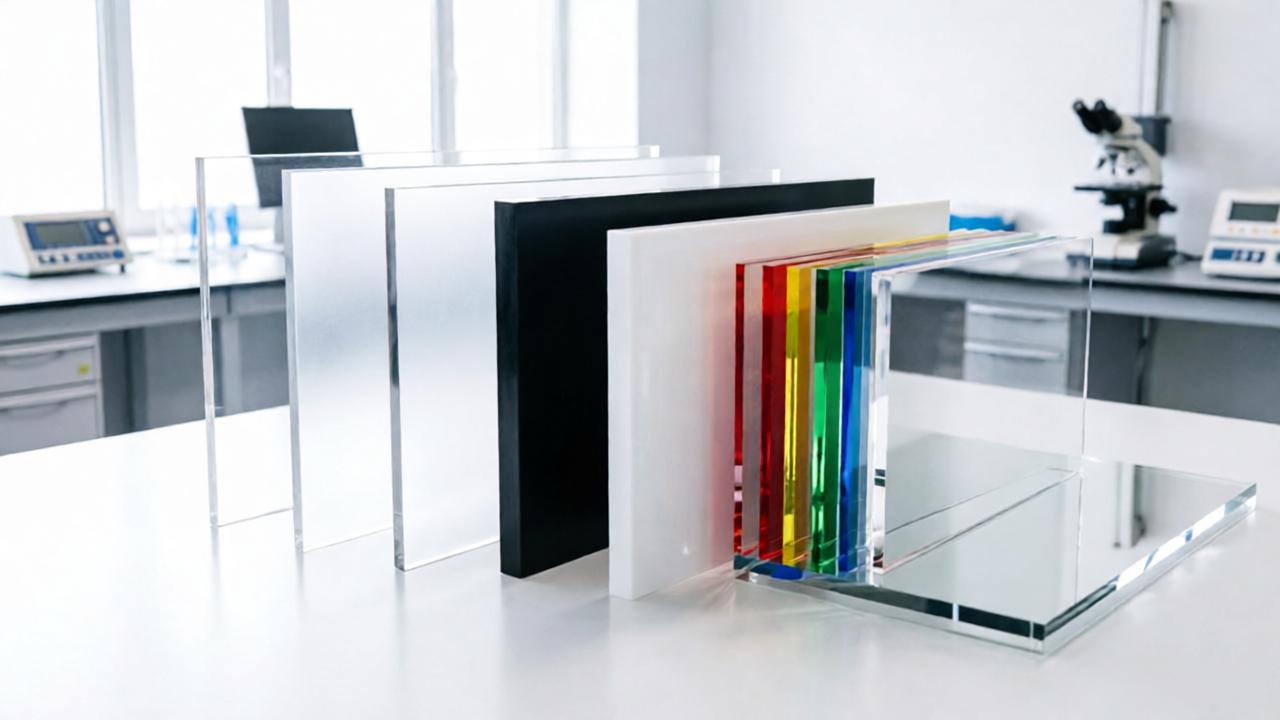
Beyond standard clear sheets, acrylic is available in frosted, colored, mirrored, fluorescent, and patterned varieties. UV-filtering grades protect light-sensitive items. Anti-static grades are available for electronic applications. Food-safe grades meet requirements for food display and service. Discuss your specific needs with our engineering team to find the right specialty material.
Need Help With Your Project?
Our engineering team can provide tailored guidance for your specific application.