Acrylic vs PVC Sheet: Key Differences, Advantages, and Best Applications
Introduction
When sourcing plastic sheets, buyers often struggle to distinguish between acrylic and PVC at first glance—both appear smooth and boast vibrant, accurate colors. However, do not be deceived by this superficial resemblance; the two materials differ vastly in their inherent properties. Substituting PVC where acrylic is required not only results in a finished product that looks cheap and lacks luster but also significantly shortens its lifespan due to the material's brittleness. Conversely, using the wrong material in the wrong application can lead to a wasteful expenditure on costly materials. From visual texture and durability to production costs and the end-user experience, selecting the wrong material can jeopardize the entire project. This article breaks down the key differences between these "plastic twins" to help you make the smartest purchasing decisions.
What Is Acrylic?&Key Characteristics of Acrylic
Acrylic (PMMA) is a high-performance, transparent thermoplastic featuring 92% light transmission, a mirror-like finish, and UV resistance. Weighing only half as much as glass and offering ease of fabrication, it serves as an ideal glass substitute. It not only faithfully reproduces the color and texture of beauty products—creating a sophisticated "floating" visual effect—but also boasts excellent weather resistance, ensuring display cases remain free from yellowing or brittleness over time. Through laser cutting and heat bending, acrylic allows for the rapid customization of unique structural shapes and brand logos, balancing aesthetic appeal with installation efficiency
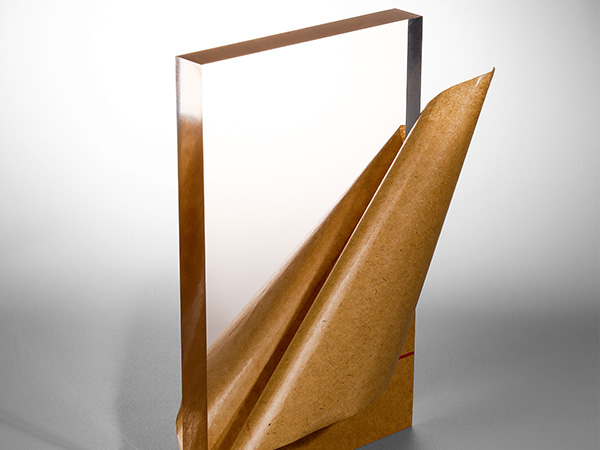
In short, acrylic is a core material for manufacturing a wide range of products—including precision transparent instruments, display stands, acrylic boxes,retail displays, and sign holders—providing comprehensive solutions for commercial displays ranging from high-end to everyday applications.
What Is PVC?&Key Characteristics of PVC
PVC (polyvinyl chloride) is a general-purpose plastic with a global production volume second only to PE and PP, and it is a long-standing rival to acrylic in low-cost applications. It comes in two forms: rigid (uPVC) and flexible (containing plasticizers). Rigid PVC, valued for its low cost and chemical stability, is frequently used for advertising substrates, construction materials, and industrial components. Unlike acrylic, which prioritizes high transparency, PVC’s core strengths lie in its exceptional cost-performance ratio and chemical resistance rather than optical aesthetics. PVC excels due to its affordability, durability, and corrosion resistance, making it suitable for construction materials, chemical components, and budget-friendly signage; however, it can never replace acrylic in applications requiring high transparency and gloss, such as cosmetics displays or retail merchandising.
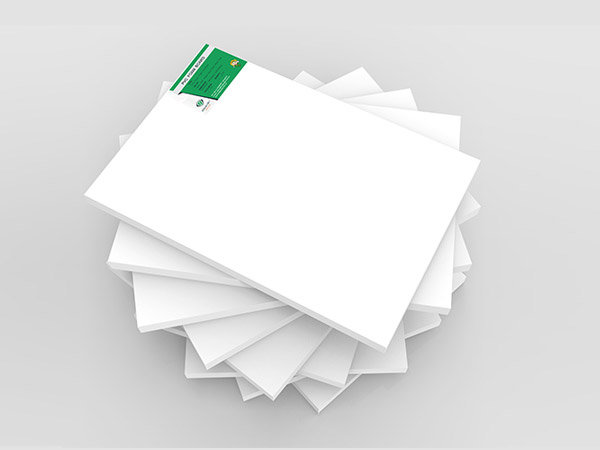
How to choose between Acrylic and PVC
Acrylic (PMMA) vs. PVC
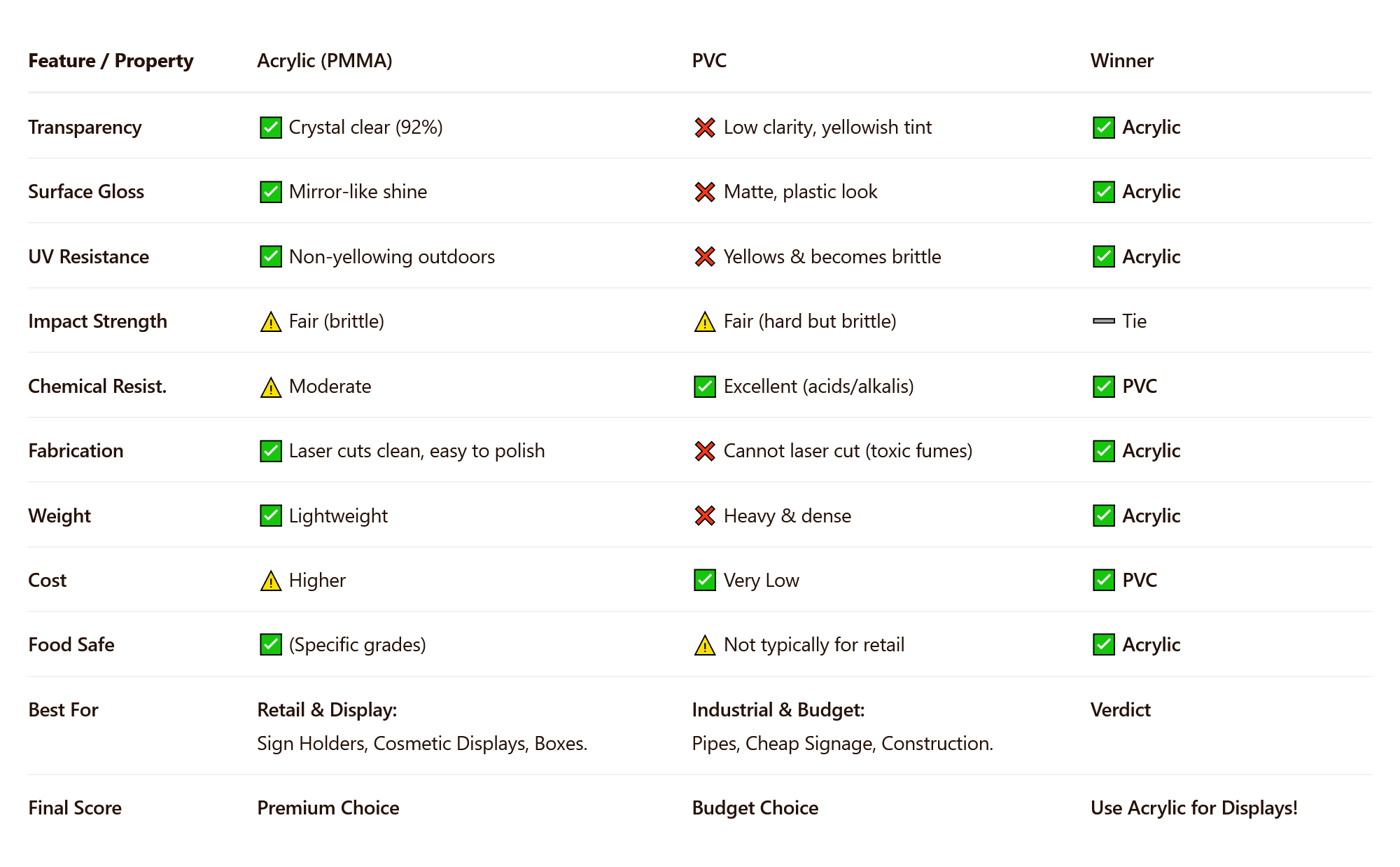
If you are selecting materials for display stands, cosmetic displays, or sign holders, keep this in mind: while PVC is inexpensive, it can never match the crystal-clear transparency and mirror-like finish of acrylic. PVC is prone to yellowing, feels heavy, and lacks a premium look; using it for displays will only make your products appear cheap and diminish your brand's image.
FAQ
1.Which material is best for outdoor sign holders?
2.Is Acrylic brittle? Will it break during shipping?
3.What file format do I need to provide for custom acrylic cutting?
4.Do you offer polishing and finishing services?
5.Is there a Minimum Order Quantity (MOQ) for custom orders?