Anti-Static Acrylic Board for Electronics and Cleanroom Applications
Introduction
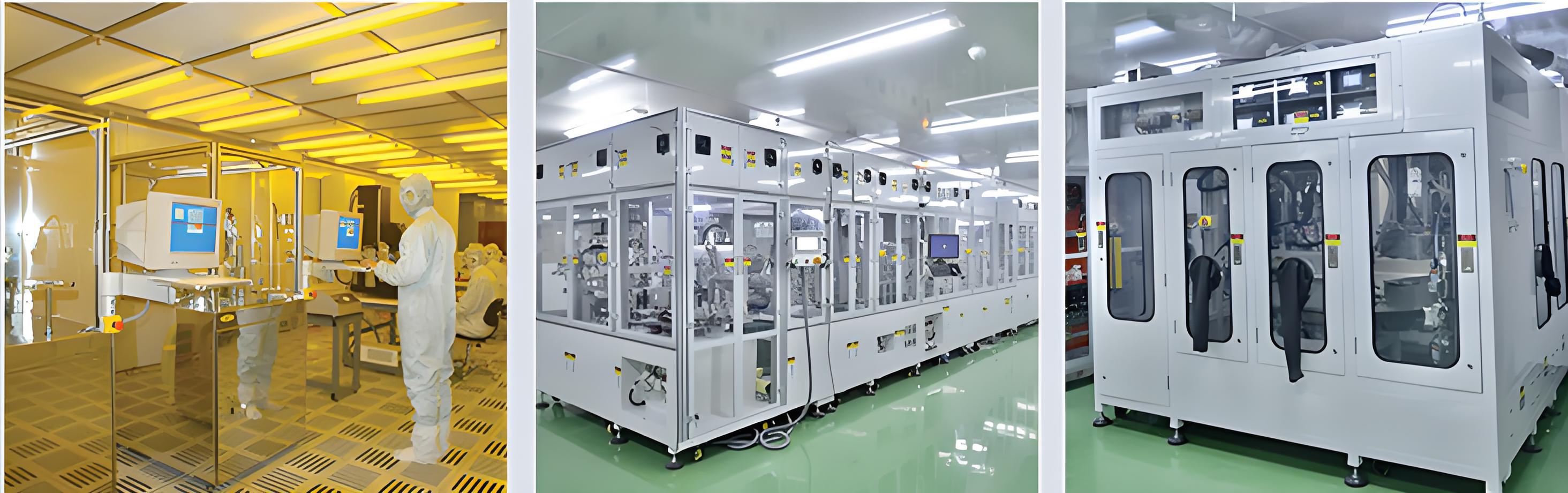
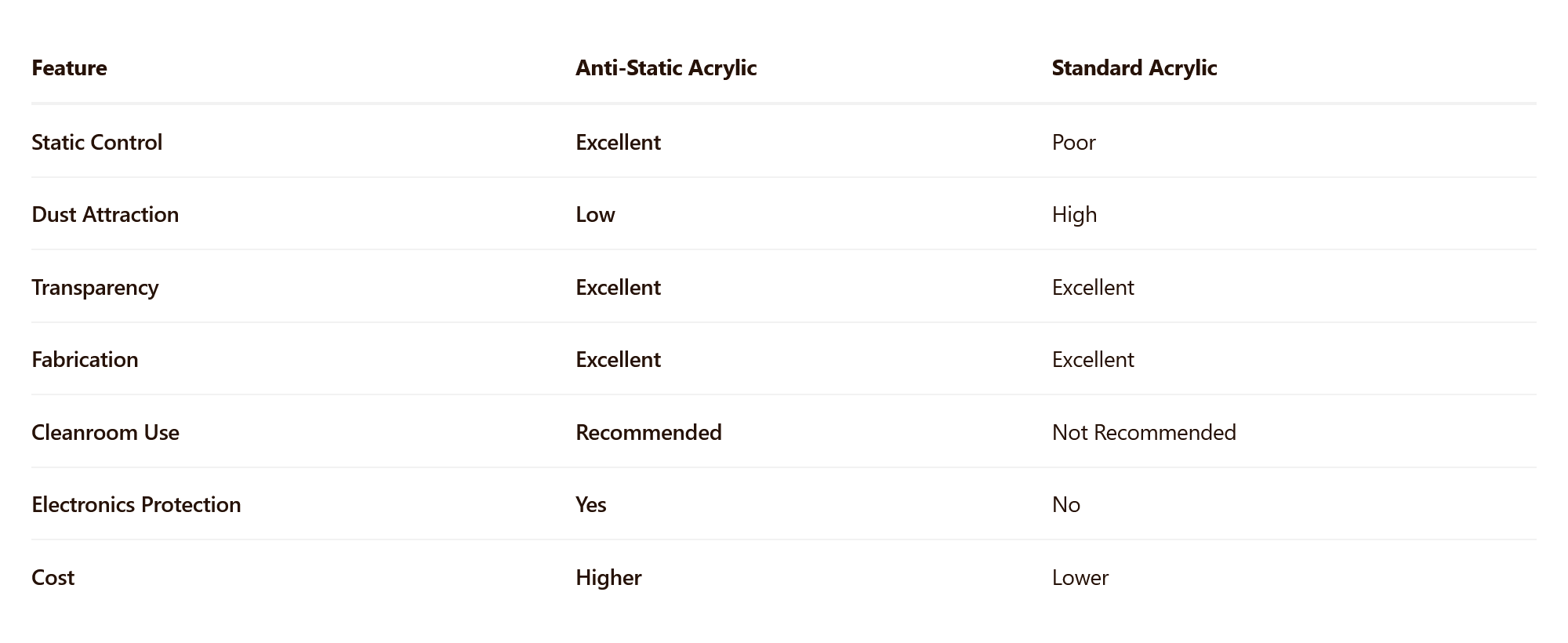
In modern electronics manufacturing and high-precision production scenarios, static electricity is often an invisible "quality killer"—it not only attracts airborne dust, interfering with cleanroom compliance requirements, but can also damage sensitive electronic components, causing irreversible product damage. While traditional acrylic sheets are widely used due to their excellent light transmittance and mechanical strength, their tendency to accumulate static charge remains a major drawback. The emergence of anti-static acrylic sheets precisely addresses this deficiency: through special processing, they retain the high transparency and impact resistance of ordinary acrylic while effectively dispersing or inhibiting static charge accumulation, reducing the risk of static electricity at its source. In this guide, we will systematically break down the core definition, working principle, and practical advantages of anti-static acrylic sheets, outline their specific application scenarios in cleanrooms, semiconductor production lines, medical equipment, and other fields, and provide you with a clear selection strategy to help you accurately match the most suitable material for your project.
What Is Anti-Static Acrylic Board?
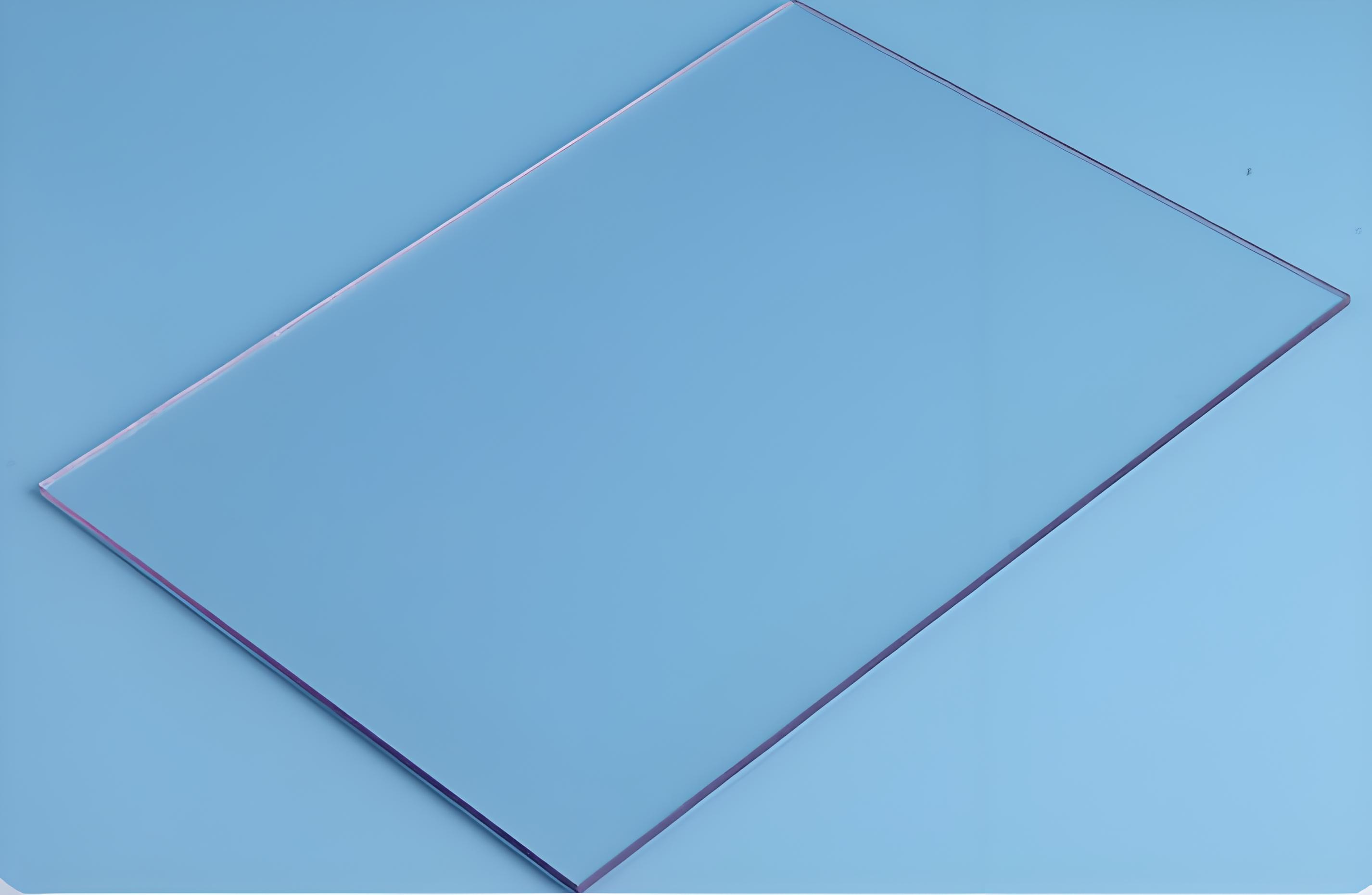
Antistatic acrylic sheets use high-purity PMMA (polymethyl methacrylate) as the base material. By laminating a permanent antistatic coating onto the surface or introducing built-in conductive technologies (such as adding antistatic agents or nano-conductive particles), the accumulation path of static charge is structurally blocked. Its typical surface resistivity is usually stable between 10⁶–10⁹ Ω/sq, which efficiently dissipates static electricity without causing new safety hazards due to excessive conductivity. Compared to ordinary acrylic sheets, it does not rely solely on temporary surface coatings but achieves long-term antistatic performance through material modification. This special design not only prevents static electricity from attracting dust but also provides reliable electrostatic protection for precision electronic components and optical devices, while maintaining surface cleanliness over a long period, significantly reducing the risk of particulate contamination in cleanroom environments.
Key Features of Anti-Static Acrylic Board
Antistatic acrylic sheets perfectly combine advanced material properties with practical functions, making them an ideal choice for high-precision production environments. In terms of electrostatic dissipation, they effectively suppress static charge accumulation, providing critical protection for ESD-sensitive components and ensuring safe operation within stringent Electrostatic Protected Areas (EPAs). Optically, the sheets boast a light transmittance of up to 92%, offering excellent clarity and distortion-free vision, far superior to many alternative shielding materials. Thanks to the dust-proof properties provided by electrostatic control, the sheet surface does not easily attract airborne particles, significantly reducing the risk of cleanroom contamination and simplifying daily cleaning and maintenance. Compared to traditional glass, it also offers the advantages of being lightweight and impact-resistant—lighter, safer, easier to handle and install, and less prone to breakage during processing. Particularly noteworthy is its superior processing performance: it can easily handle laser cutting, CNC precision engraving, drilling, polishing, and various customized processing tasks. This high degree of process adaptability makes it the best substrate for our custom acrylic products, enabling us to tailor solutions for everything from precision instrument housings to complex industrial components, meeting stringent specifications while maintaining stable anti-static performance.
Anti-Static Acrylic Board vs Standard Acrylic
How to Choose a Reliable Anti-Static Acrylic Manufacturer
To ensure performance and avoid costly ESD failures, prioritize these six factors when vetting suppliers:
1.Material Quality: Insist on virgin PMMA with traceable certifications (RoHS/REACH).
2.ESD Stability: Verify permanent anti-static properties (10⁶–10⁹ Ω/sq) with test reports—avoid temporary coatings.
3.In-House Processing: Ensure capabilities like laser cutting and CNC machining won't damage the ESD layer at the edges.
4.Precision: Check tolerance control (e.g., ±0.1mm) to guarantee fit for cleanroom assemblies.
5.QC System: Look for ISO 9001 and surface-resistance mapping during final inspection.
6.OEM Track Record: Prefer vendors with proven experience in semiconductors or electronics.
Pro Tip: Always request samples for third-party testing before placing bulk orders.
FAQ
1.Can anti-static acrylic be used for custom display cases?
2.How do I order custom anti-static acrylic products?
3.Is anti-static acrylic suitable for electronic product displays?
4.Can anti-static acrylic be fabricated into protective covers or machine guards?
5.How do I choose the right anti-static acrylic solution for my project?