UV Resistant Acrylic Board: Features, Benefits, Applications, and Buying Guide
Introduction
While standard acrylic is prized for its crystal clarity, there is a hidden risk every buyer should know: standard acrylic may lose clarity after prolonged UV exposure. Left unprotected, your displays can quickly yellow, turn brittle, and lose their high-gloss finish—undermining both aesthetics and safety. That’s where UV-resistant acrylic boards come in. Specifically engineered to maintain transparency and durability even in harsh outdoor conditions or high-light indoor environments, these sheets are the professional’s choice for long-term installations.Whether you're creating retail displays, signage, protective barriers, or architectural panels, selecting the right acrylic board is critical. The correct material choice doesn’t just look better—it significantly improves product lifespan, reduces maintenance costs, and protects your brand’s image.In this guide, we'll explain exactly what UV-resistant acrylic board is, how it works to fight degradation, its key advantages over standard sheets, the most common applications across industries, and how to choose the right sheet to ensure your project stands the test of time.
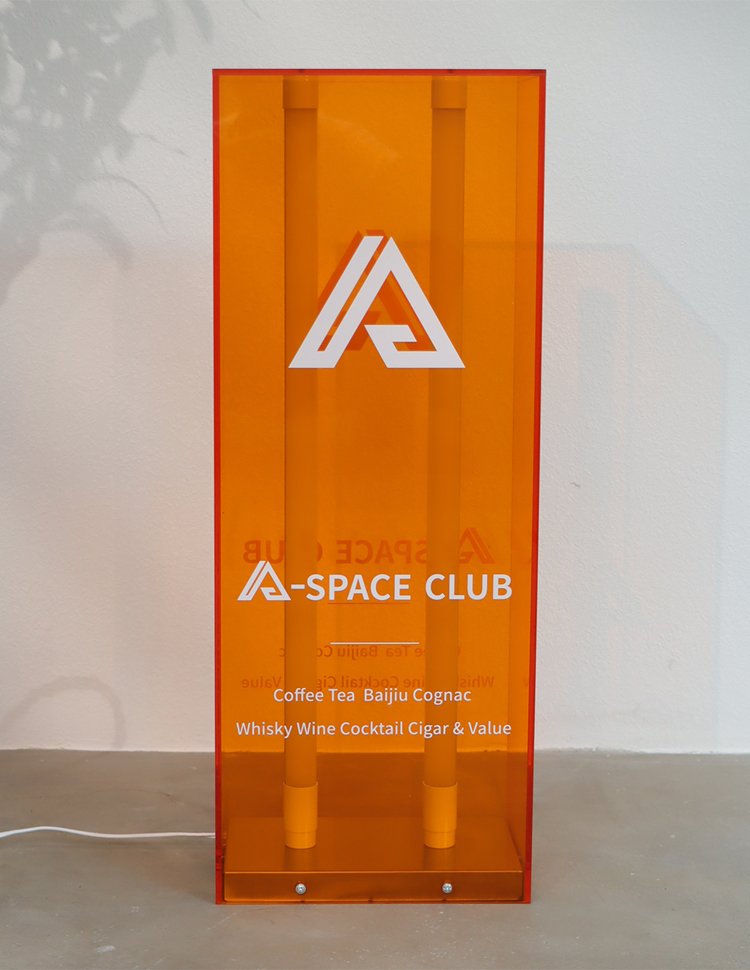
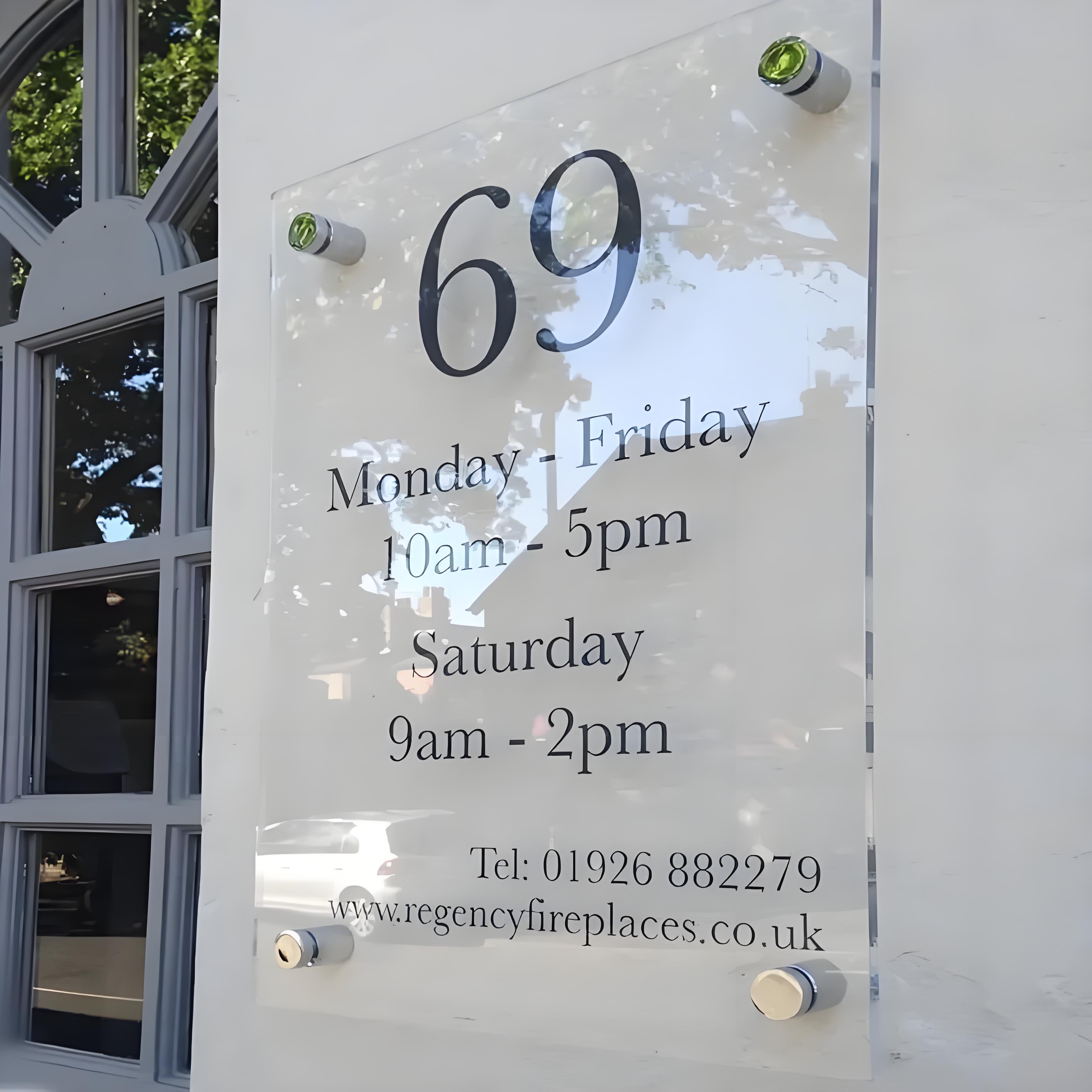
Key Features of UV Resistant Acrylic&Benefits of Using UV Resistant Acrylic
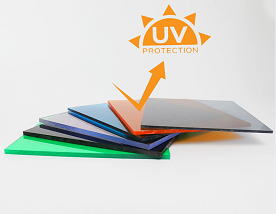
A UV-Resistant Acrylic Board is a high-performance variant of PMMA engineered specifically to withstand long-term light exposure without degrading. Its defining feature is the integration of advanced UV stabilizers—either infused throughout the core or applied as a specialized co-extruded capping layer—which act as a shield to absorb and block harmful ultraviolet radiation before it can attack the polymer chain. This technological edge translates into three core benefits for your projects: uncompromised longevity with virtually no yellowing over years of outdoor use, stable mechanical strength that prevents the material from becoming brittle, and consistent optical clarity that keeps colors and branding vibrant. By choosing UV-resistant grades for your Retail Displays or Architectural Panels, you aren’t just buying plastic; you are investing in a maintenance-free solution that guarantees your installation looks as pristine on day 1,000 as it did on day one.
Common Applications of UV Resistant Acrylic Board
Thanks to its ability to lock in clarity and resist weathering, UV-resistant acrylic has become the gold standard for projects where aesthetics and longevity are non-negotiable.
1.Outdoor Signage: From storefronts to highway signs, UV-resistant boards prevent the "yellowing" and clouding that plague standard plastics, ensuring your brand message stays crisp and professional year-round.
2.Retail Display Stands: Perfect for Display Stands placed near bright windows or in open-air markets. It maintains the high-gloss finish that attracts customers, without the risk of fading or becoming brittle under strong sunlight.
3.Acrylic Display Boxes: Ideal for Acrylic Boxes used in museum loans or window merchandising. It provides a crystal-clear, protective barrier that won't discolor over time, keeping valuable collectibles or high-end products looking their best.
4.Protective Covers: Used for safeguarding sensitive equipment, ATMs, or ticket kiosks located outdoors, offering a tough, shatter-resistant shield that withstands constant UV exposure without hazing.
5.Museum Display Cases: Critical for archival quality. UV-resistant acrylic blocks harmful rays that can fade delicate artifacts, textiles, and artworks, while providing superior clarity for visitors.
6.LED Light Boxes: Essential for backlit applications. It prevents the diffuser panel from yellowing, which would otherwise create unsightly "hot spots" or a murky glow, ensuring even, bright illumination for years.
UV-Resistant Acrylic: Final Decision Checklist
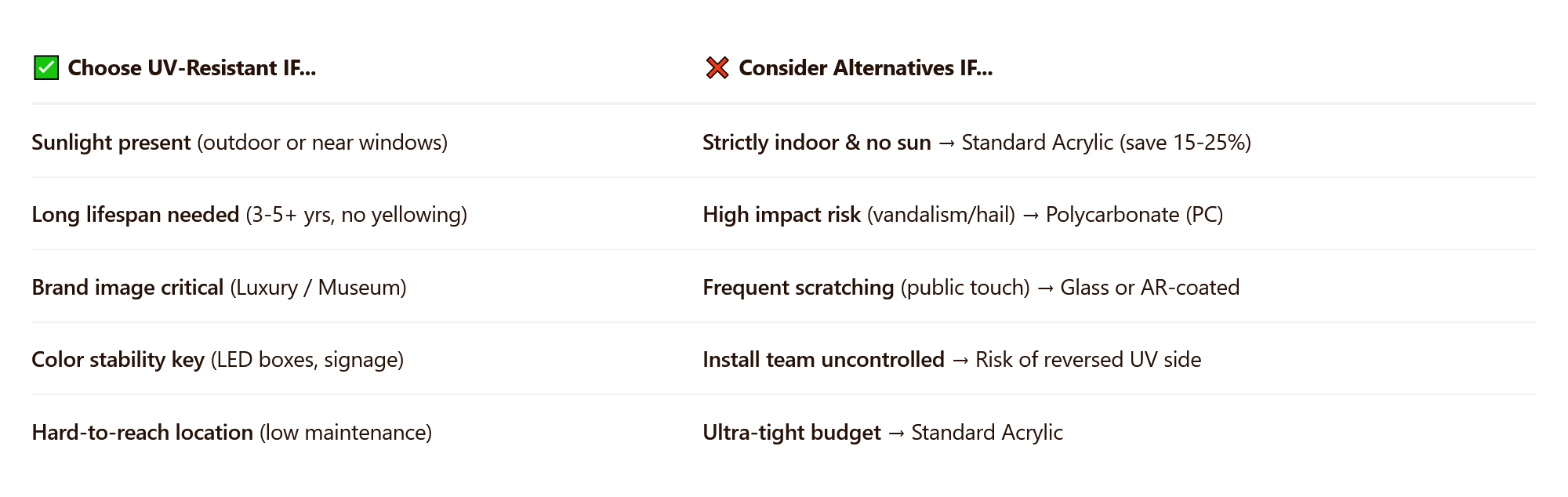
UV resistant acrylic board combines excellent optical clarity, weather resistance, and durability.It is an ideal material for outdoor signage, retail displays, protective covers, and architectural applications.Choosing the right board thickness, surface finish, and fabrication method ensures the best performance and long-term value.
FAQ
1.Can UV resistant acrylic be laser cut?
2.What thickness of UV resistant acrylic board should I choose?
3.Can UV resistant acrylic board be custom fabricated?
4.Is UV resistant acrylic board suitable for retail displays?
Looking for custom UV resistant acrylic boards? Contact our team for material recommendations, precision fabrication, and custom acrylic solutions tailored to your project.