Acrylic Hot Bending: Temperature Control Tips for Smooth, Bubble-Free Bends
Introduction
Acrylic heat bending, simply put, is "softening" acrylic before bending it. You might be wondering, why can't you just bend such a hard sheet directly? The answer is: forcibly bending it will break! Acrylic is very brittle at room temperature; forcibly bending it in the cold will only result in a "crack" and leave a pile of debris. Therefore, we must first "heat" it. But controlling the temperature is a skill—too low a temperature will cause the bent area to turn white and crack; too high a temperature will cause the sheet to blister and burn. Only when heated to the perfect "softening point" of 140℃-160℃ will it become as compliant as a soft candy, resulting in a transparent corner without leaving any marks. This guide will help you understand this "temperature control" technique, allowing you to easily create those beautiful curved display stands and handicrafts.
Why Temperature Control Is So Important
The effect of temperature
Temperature directly determines whether acrylic will "obey" or "go against its will." If the temperature is not high enough, the sheet will be as hard as stone, and forced bending will only lead to breakage; only when precisely controlled within the "golden range" of 140°C–160°C will the material become as flexible as a candy. This not only affects whether it can be bent, but also determines the transparency at the bend—at the right temperature, the bend is clear as water; at too low a temperature, the molecular chains are forcibly stretched, immediately resulting in unsightly "stress whitening," turning the highly transparent acrylic into a frosted texture.
What problems can occur if the temperature is unsuitable?
Once the temperature gets out of control, various defects will appear. If the temperature is too low, the stubborn internal stress will cause the product to crack inexplicably later; if the temperature is too high, the material will overheat and produce bubbles, or even the surface will become charred and carbonized. Furthermore, uneven heating can cause the entire board to warp and deform. It can be said that stable temperature control is the only line of defense against cracks, bubbles, and deformation, and is also the core secret to ensuring the product's durability.
Recommended Heating Temperatures for Acrylic
The ideal hot bending temperature for acrylic is not a constant value, but depends on the material properties (cast or extruded) and the heat transfer efficiency of the heating equipment. Precise temperature setting is a prerequisite for ensuring both transparency and structural strength at the bend.
## Strip Heater Bending
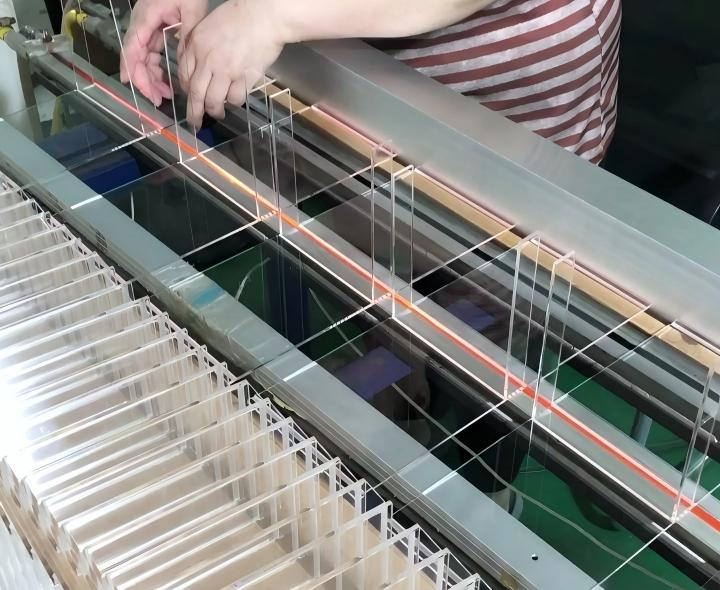
Heating wire bending is a classic process for straight-line forming of acrylic. It involves heating a resistance wire to 145°C–160°C, creating a concentrated linear softening band in a localized area of the sheet material. This process, with its extremely high thermal efficiency and precise temperature control, is particularly suitable for straight-line bending of sheets with thicknesses of 3mm–10mm. However, if the sheet is too thick, insufficient heat penetration can lead to inadequate softening on the back side, potentially causing breakage during bending. Therefore, strict matching of sheet specifications and heating time is necessary.
## Oven bending
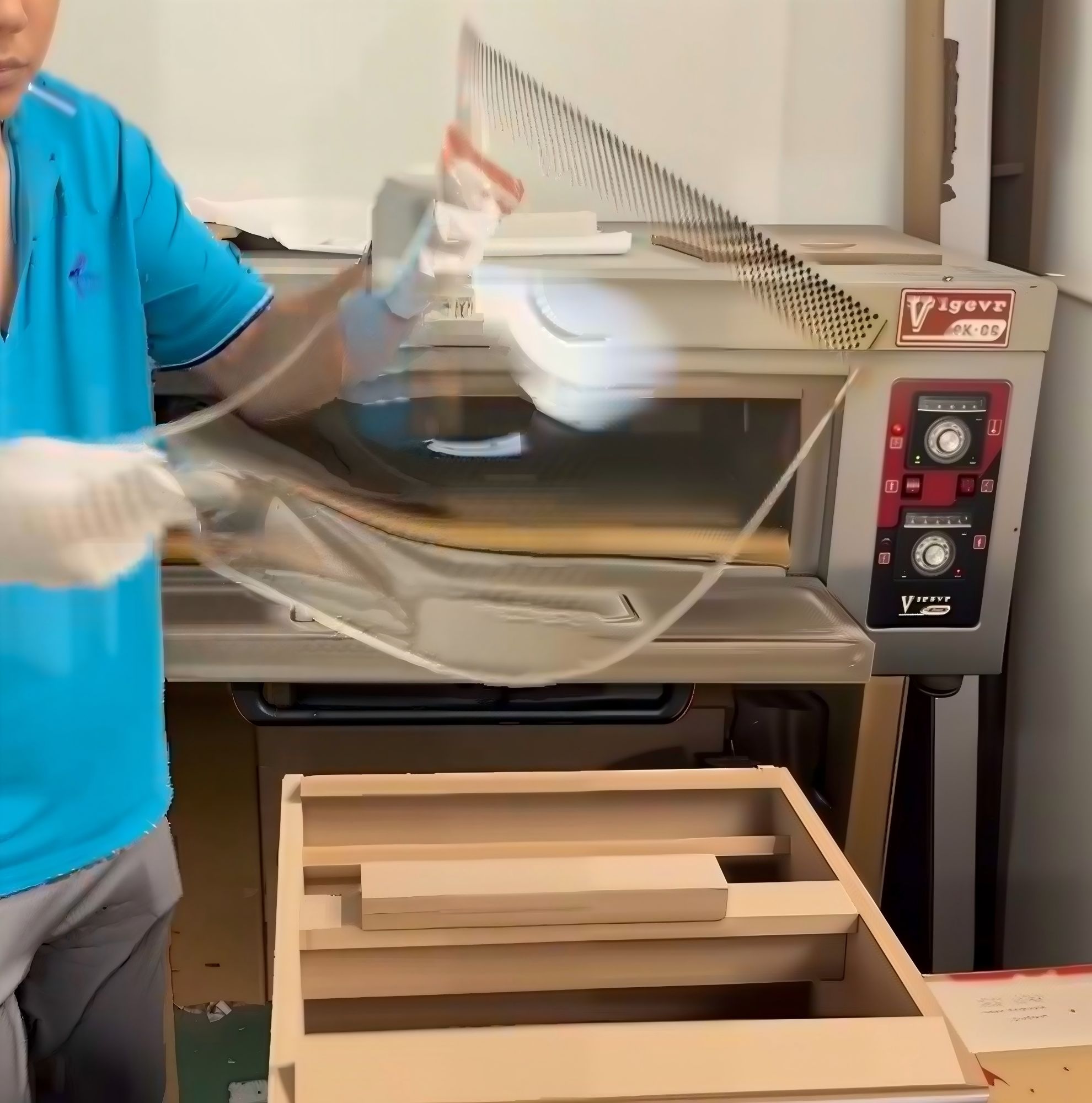
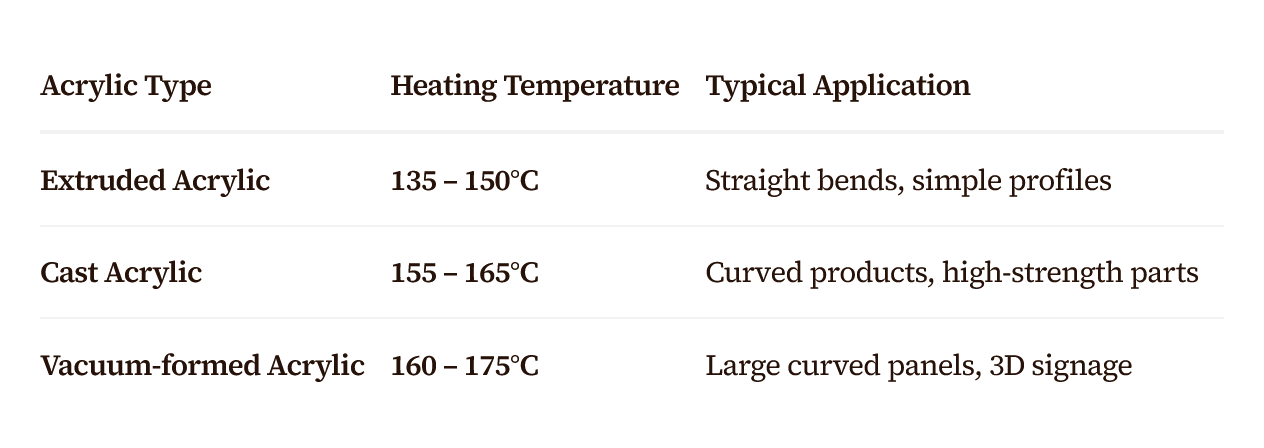
In contrast, oven bending is suitable for complex workpieces with higher requirements for curved surface shapes. Due to differences in material properties, cast acrylic, due to its longer molecular chains and stronger heat resistance, requires a temperature setting of 155°C–165°C to achieve uniform softening; while extruded acrylic is more sensitive to temperature, and it is recommended to control the temperature between 135°C–150°C to avoid thermal degradation or blistering. This process usually requires the use of a shaping mold, which releases internal stress through global heating and slow cooling, thereby perfectly presenting large curvature and three-dimensional shapes.
Recommended Temperature Reference Table
Common Temperature Problems and Solutions
Temperature Too Low
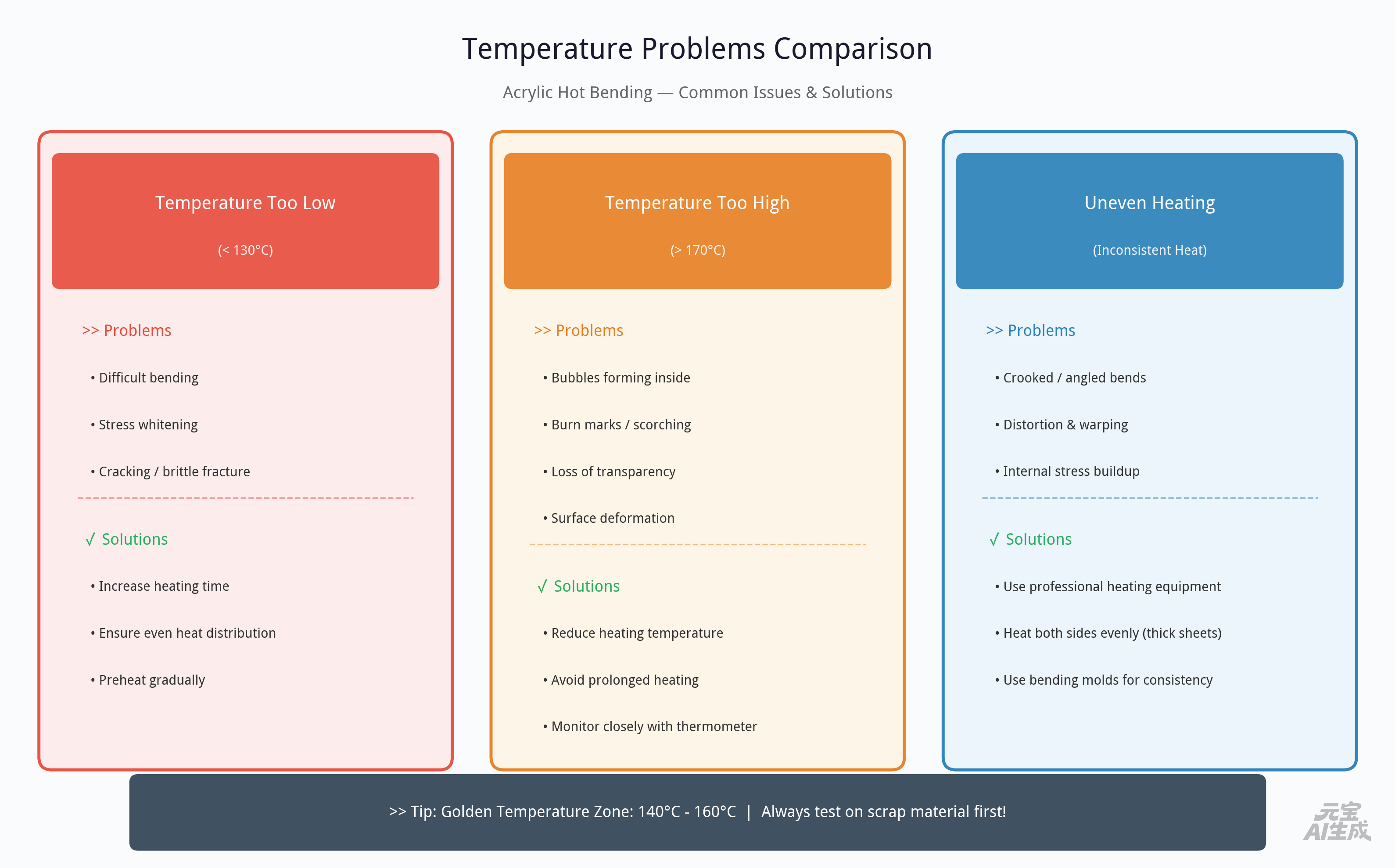
When the heating temperature does not reach the glass transition critical point of acrylic, the material lacks sufficient ductility, resulting in high bending resistance or even an inability to bend. Forcing pressure will cause the molecular chains to break, manifesting as "stress whitening" at the bending point, and in severe cases, directly leading to brittle cracking of the sheet. The key to solving this problem is to extend the heating time to ensure that the heat fully penetrates the core layer of the sheet, while simultaneously checking the uniformity of the heat source distribution to avoid affecting the overall softening effect due to insufficient heating in certain areas.
Temperature Too High
Excessive temperature can damage the polymer structure of acrylic. Too much heat can cause vaporization within the material, forming visible bubbles or leaving charred marks on the surface. Simultaneously, overly softened acrylic sheets will lose their original stiffness, leading to surface collapse and a sharp drop in transparency. If such problems are discovered, the heating temperature setting should be immediately reduced, and the heating time strictly controlled to avoid unnecessary prolonged baking, thus protecting the material's optical properties and physical strength.
Uneven Heating
Uneven heating is a major cause of geometric deformation in finished products. Unilateral heating or off-center heating wires can lead to unbalanced shrinkage stress, resulting in skewed corners, overall twisting, or warping. More seriously, temperature differences can create persistent internal stresses within the material, causing spontaneous cracking during future use. Therefore, it is recommended to use professional linear heating equipment (such as electric heating wire bending machines) to ensure the straightness of the heat source. For thick plates or special process requirements, a double-sided synchronous heating strategy should be adopted to ensure consistent heating on both sides and inner and outer layers of the material, eliminating potential stress problems at the source.
Practical Tips for Better Temperature Control
Mastering acrylic bending goes beyond setting a thermostat; it relies heavily on refined workshop practices. Always initiate the process with gradual preheating to allow the molecular structure to relax, preventing the thermal shock that leads to internal fractures. Crucially, heating duration must scale with sheet thickness—thicker materials require significantly longer soak times for heat to penetrate the core, while thin sheets demand vigilance to avoid overheating. Maintain a steady, sweeping motion with the heat source to prevent localized hotspots, which are the primary cause of bubbles and burn marks. For high-precision or repeatable production runs, employing custom bending molds is indispensable; they not only guarantee angle consistency but also provide the necessary support during the critical phase of controlled cooling. Finally, never rush the demolding process—allow the workpiece ample time to cool completely under pressure to lock in the shape and release residual stress, ensuring the structural integrity of the final product.
# Factors That Affect Hot Bending Temperature
Acrylic Type
Different manufacturing processes determine the differences in the molecular structure and thermal response of materials. Cast acrylic has a higher molecular weight and a more compact molecular chain arrangement, resulting in stronger heat resistance. Therefore, it requires a higher softening temperature (155°C–165°C) to achieve uniform deformation. Extruded acrylic, on the other hand, has a lower molecular weight, better flowability, and is more sensitive to temperature. It typically softens at 135°C–150°C, but the upper temperature limit must be strictly controlled to prevent thermal degradation or blistering. When selecting materials, a temperature baseline should first be preset based on the material characteristics.
Sheet Thickness
Hot bending follows the "law of heat conduction", and the thickness directly affects the heating time. Thick plates (such as more than 10mm) require a longer heating time to ensure that heat fully penetrates from the surface to the core layer of the plate to achieve "softness inside and out"; if the heating time is insufficient, although the surface layer has softened, the inner layer is still hard, and forced bending will inevitably lead to cracking on the back or severe stress whitening. Therefore, when formulating process parameters, thickness must be regarded as the core variable and the principle of "thick plate slow heating" must be followed.
Heating Equipment
The heat source characteristics of different equipment determine their applicable temperature range and process scenarios:
Strip Heater: Provides a linear, concentrated heat source with highly focused temperature, suitable for straight bending, but requires precise control of operator movement speed and distance.
Oven: Provides uniform ambient heat, suitable for overall preheating and curved surface forming of thick or large plates, but heating is slower and energy consumption is relatively high.
Hot Bending Machine: Integrates a temperature control system and shaping molds, providing the most stable heating environment and precise bending angles, suitable for mass production and high-precision requirements, but has a higher initial investment cost.
Common Applications of Acrylic Hot Bending
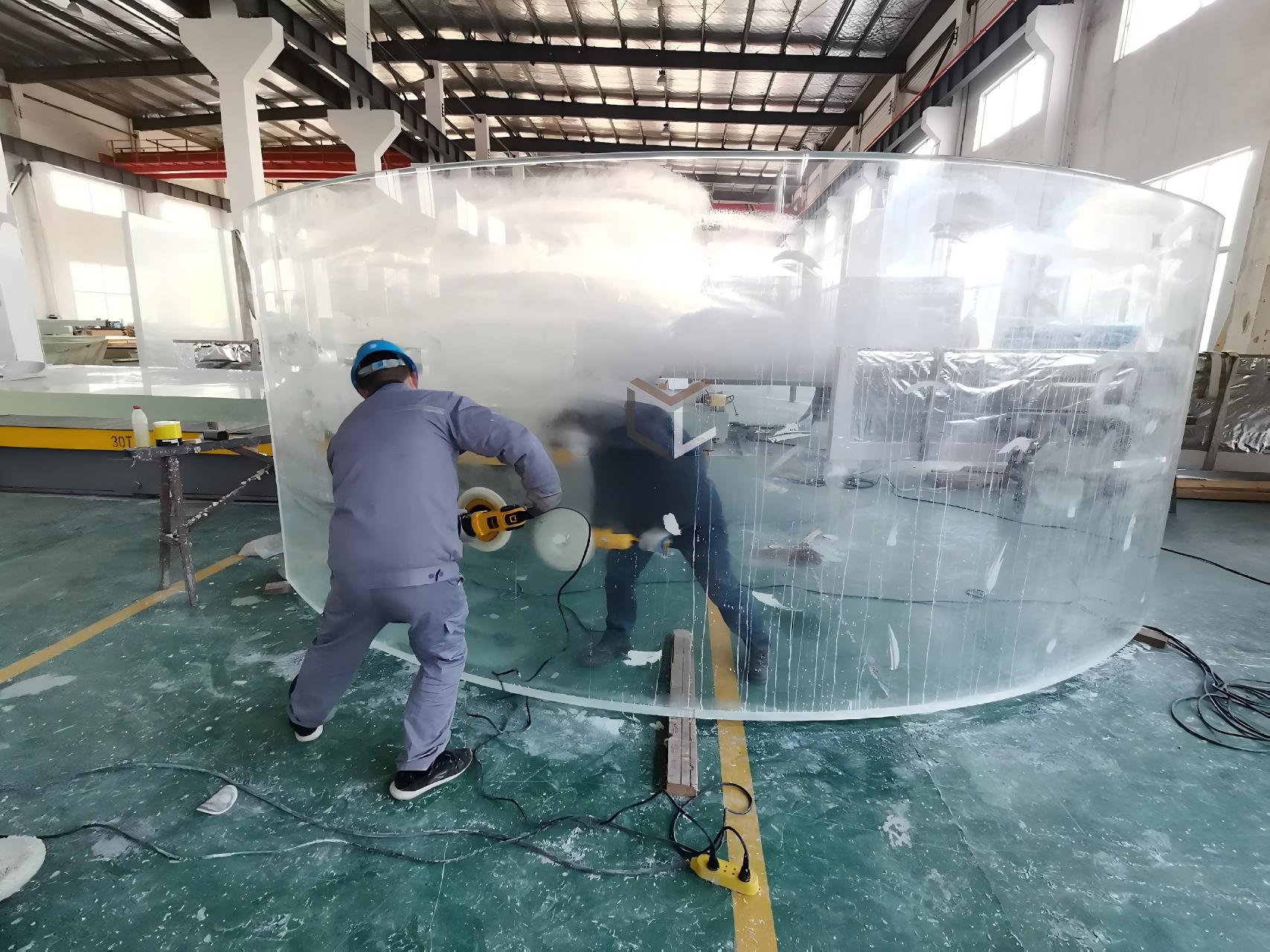
Thanks to the smooth lines and stable structure provided by the hot bending process, acrylic products occupy an important position in the fields of commercial display and space partitioning. Acrylic display racks and cosmetic display props often utilize precise right-angle or arc bends to create multi-layered structures and inclined support surfaces in one piece. This retains the material's high light transmittance while eliminating cumbersome bonding processes, presenting a simple and sophisticated texture. Menu clips and retail POP display boards widely adopt "L" or "U" shaped hot bending processes, using their own weight as support to achieve a three-dimensional presentation of information, making them easy to replace and less prone to tipping over. In addition, protective isolation barriers and exhibition exhibits also rely heavily on hot bending technology, transforming large-size sheets into ergonomically designed large-curve panels or irregularly shaped spatial devices. While meeting safety protection functions, this greatly enhances visual transparency and the modern style of commercial spaces.