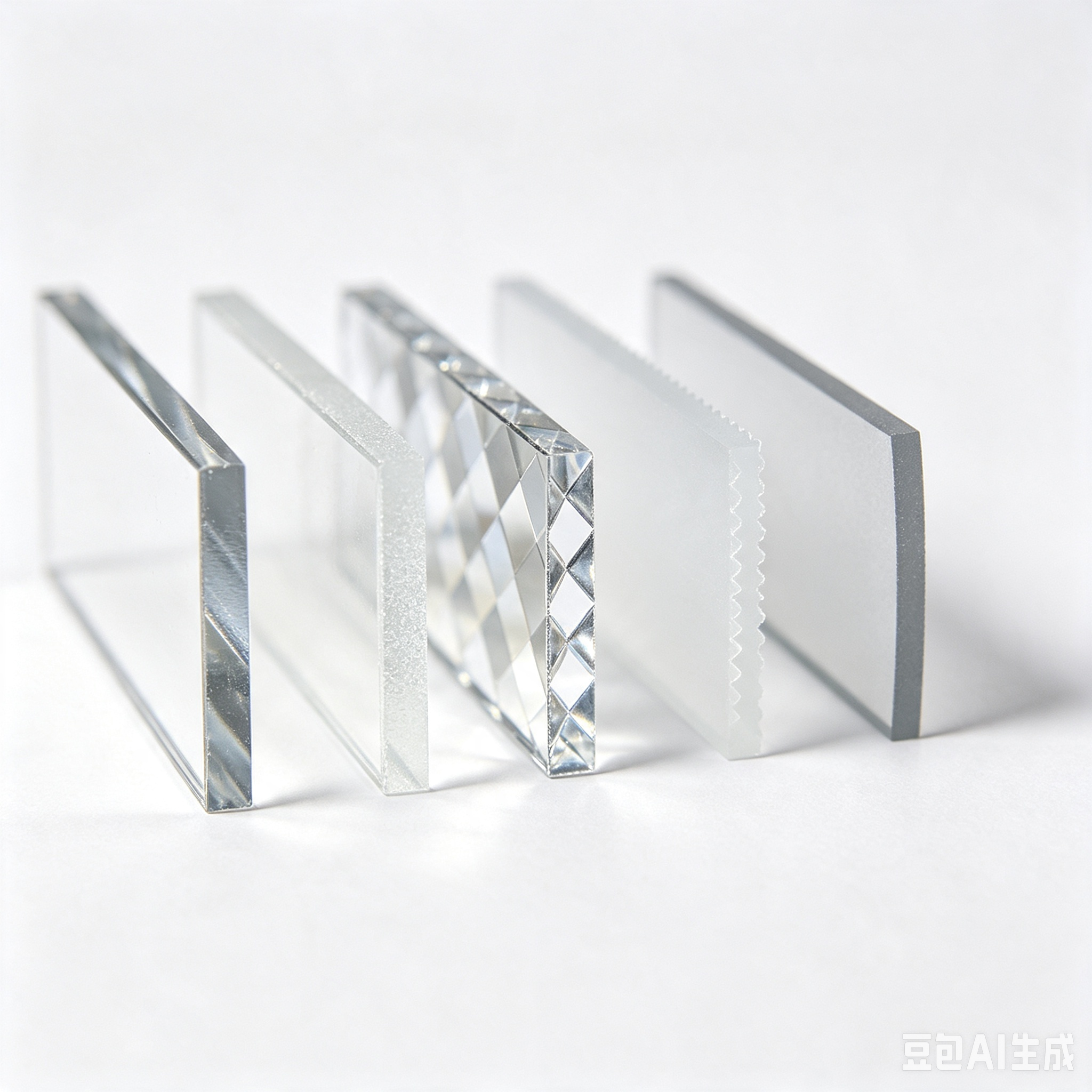
A Complete Guide to Acrylic Cutting Methods: Choosing the Best Process for Every Project Meta Description
Introduction
Acrylic (PMMA), a high-performance transparent plastic with a light transmittance of up to 92%, is often considered an ideal lightweight alternative to glass; and after antistatic modification, it becomes an essential material for cleanrooms and precision electronics manufacturing. However, to realize its maximum value, choosing the correct cutting process is crucial—improper operation can not only lead to yellowing and carbonization of the edges, but may also sever the conductive path of the antistatic layer, causing ESD protection failure. Given the varying requirements of different projects for precision, thickness, and edge quality, cutting technology cannot be a "one-size-fits-all" approach. This guide will systematically review four mainstream processes: laser cutting, CNC milling, sawing, and die-cutting, helping you find the optimal balance between cost control and performance assurance.
Why Acrylic Cutting Method Matters
The cutting method is crucial to a project's success because it differs significantly across seven core dimensions:
Accuracy: CNC machining can control tolerances within ±0.1mm, suitable for high-precision assemblies; while ordinary sawing or hand tools have larger errors and are only suitable for roughing.
Edge quality: Laser cutting produces smooth, molten edges, eliminating the need for grinding; however, improper parameters can lead to yellowing. Sawing inevitably leaves tool marks, requiring secondary grinding or flame polishing to achieve a clear finish.
Production speed: Laser cutting is extremely fast on thin sheets with complex shapes, suitable for prototyping; while CNC is slower, it is more efficient and stable for thick plates or large-volume drilling.
Cost: Die-cutting has the lowest unit price for large-volume production of extremely thin sheets; CNC has the highest unit price due to its longer processing time; laser cutting offers the best balance of cost-effectiveness for small to medium-volume custom parts.
Material thickness: Laser cutting is typically limited to sheets thinner than 25mm; beyond this thickness, CNC milling or sawing is the only viable physical method.
Complex shapes: Laser and CNC excel at handling cutouts, internal right angles, and irregular curves; traditional sawing struggles with internally closed shapes, limiting flexibility.
Production volume: For single pieces or small batches, the flexible laser/CNC method is preferred; for large-scale production of standardized parts (millions of units), injection molding or die-cutting is necessary to reduce unit price.
In short, choosing the wrong process often means either insufficient precision for assembly or excessively high costs for unsellable products. Only by comprehensively evaluating these seven factors can you find the most suitable cutting solution for your project.
Laser Cutting Acrylic
Laser cutting of acrylic is a highly efficient process that uses a high-energy CO₂ laser beam to non-contactly melt and separate the acrylic sheet. Thanks to acrylic's excellent absorption of 10.6μm wavelength laser light, it can achieve high-precision cutting of ±0.1mm and automatically "flame polish" the cut edges, resulting in a smooth, transparent glass-like texture. This is particularly suitable for small-batch, rapid prototyping of thin, irregularly shaped parts. However, this process also has significant limitations: firstly, it is generally only suitable for sheets up to 25mm thick; thicker sheets may result in yellowing or incomplete cutting. Secondly, and most importantly, the high temperature generated by the laser can damage the functional coating on the surface of the anti-static acrylic sheet, causing the cut to lose its electrostatic dissipation capability. Therefore, it is the preferred method for processing ordinary decorative acrylic, but in precision applications requiring ESD (anti-static coating) protection, its potential impact on material properties must be carefully assessed.
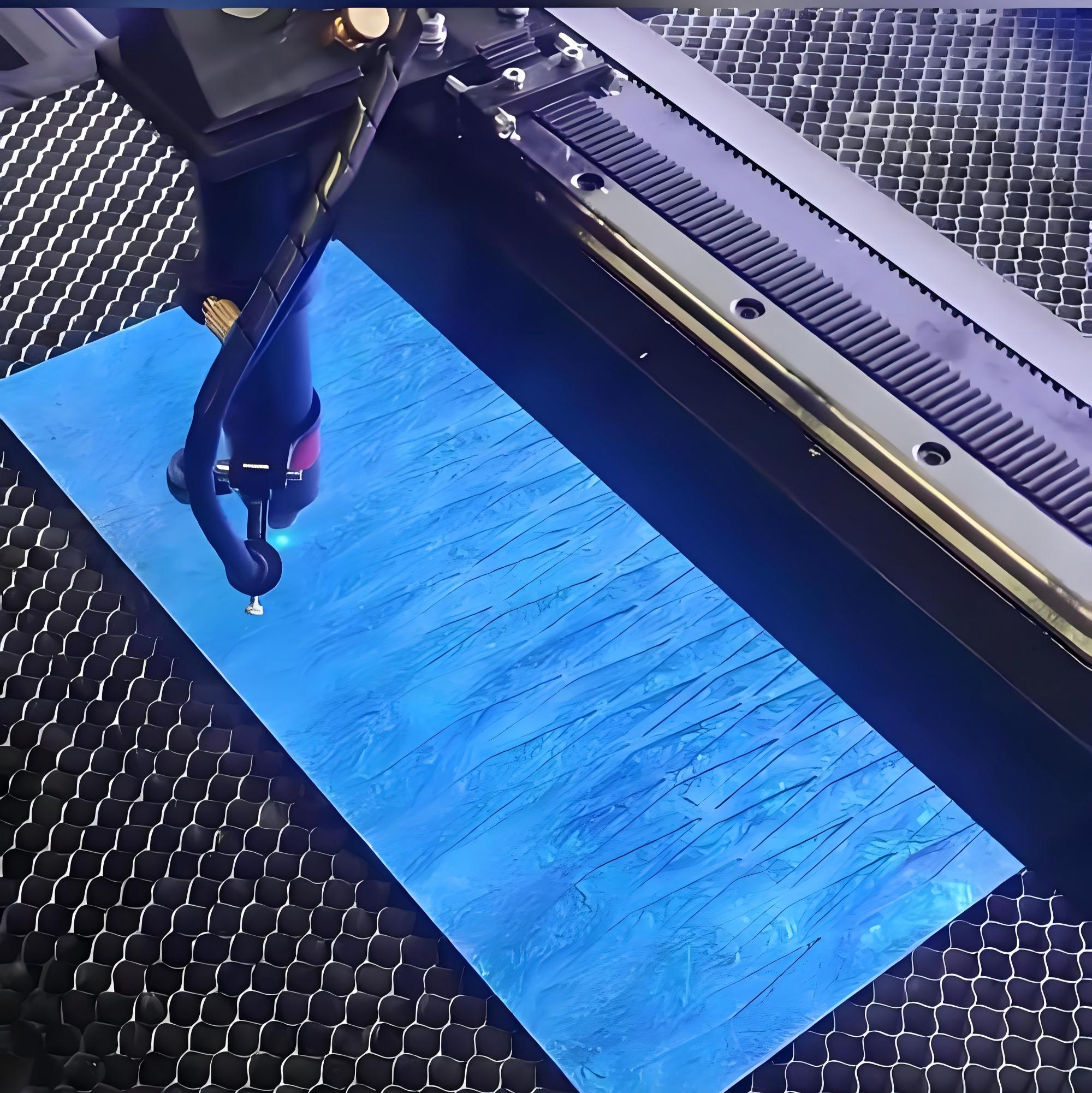
Laser cutting stands out as the premier choice for projects demanding both aesthetic perfection and geometric complexity. Its most celebrated advantage is the ability to produce extremely smooth edges that mimic the look of flame-polished finishes, eliminating the need for secondary grinding. This process delivers high precision, typically holding tolerances within ±0.1mm, making it ideal for intricate designs, fine text engraving, and complex internal cutouts. As a non-contact method, it applies no mechanical stress to the sheet, preventing chipping or cracking. Additionally, once the digital file is set, fast production speeds make it highly efficient for rapid prototyping and medium-volume runs.
However, understanding its limitations is crucial for material compatibility. The process is subject to thickness limitations, generally performing best on sheets under 25mm; attempting to cut thicker stock often results in incomplete cuts or "flared" edges. While PMMA cuts cleanly, burn marks can appear on certain colored or cast acrylics if parameters aren't perfectly tuned. Finally, the higher equipment cost associated with industrial-grade CO₂ lasers is often reflected in the service price, making it less economical for very large, simple-cut batches where sawing might suffice.
CNC Routing Acrylic
CNC (Computer Numerical Control) milling is the preferred process for processing thick plates and functional acrylic (especially anti-static sheets). It completely eliminates the edge yellowing problem common in laser processing by physically cutting rather than thermally melting. Most importantly, it preserves the anti-static coating at the cut, ensuring the continuity of ESD protection. Although its processing speed is slower than laser and it often leaves tool marks on the edges requiring secondary polishing, it breaks through the 25mm thickness limit, easily achieving high-precision tolerances of ±0.1mm, and can complete complex structures such as drilling, grooving, and 3D contouring. It is an ideal choice for large-size equipment windows, cleanroom structural components, and scenarios with stringent ESD protection requirements.
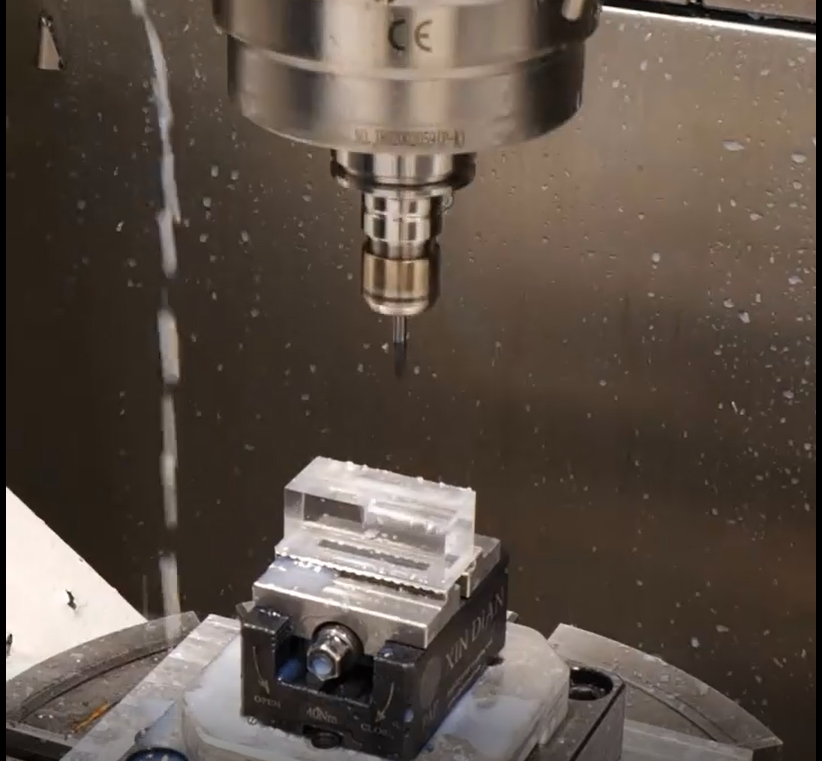
Where laser cutting reaches its limits, CNC (Computer Numerical Control) routing takes over, offering unmatched versatility for structural and high-performance components. Its defining strength is the ability to cut full sheets regardless of thickness, handling everything from thin films to solid blocks over 50mm with ease. Unlike lasers, CNC uses physical carbide bits, ensuring zero heat-affected zones—a critical advantage for anti-static acrylic, as it preserves the conductive coating’s integrity along every edge. It delivers exceptional dimensional accuracy (±0.05–0.1mm) and excels at creating 3D contours, deep pockets, and complex joinery (like finger joints or screw holes) that lasers simply cannot achieve. Additionally, it produces clean, chip-free edges on cast acrylic without the risk of melting or discoloration.
Despite these strengths, CNC machining has specific trade-offs. The process is inherently slower than laser cutting, especially for highly intricate outlines, as the bit must physically travel the entire path. It also leaves visible tool marks or burrs on the edges, necessitating secondary finishing (such as flame polishing or sanding) to achieve optical clarity. Furthermore, the mechanical pressure exerted by the spinning bit can induce internal stress if feeds and speeds aren’t optimized, potentially leading to micro-cracks. Finally, while versatile, CNC services often carry a higher per-part cost for simple shapes due to longer cycle times and tool wear.
Diamond Cutting
Diamond cutting is the "ceiling" of acrylic edge treatment. It uses a high-speed rotating polycrystalline diamond cutter to "plane" the edges of the sheet at the micron level, rather than grinding or hot melting. It can directly cut out a high-gloss edge with a mirror-like transparency and a refractive index comparable to crystal. No secondary polishing is required, making it the ultimate aesthetic choice for high-end retail display cases, luxury goods display shelves, and light guides.
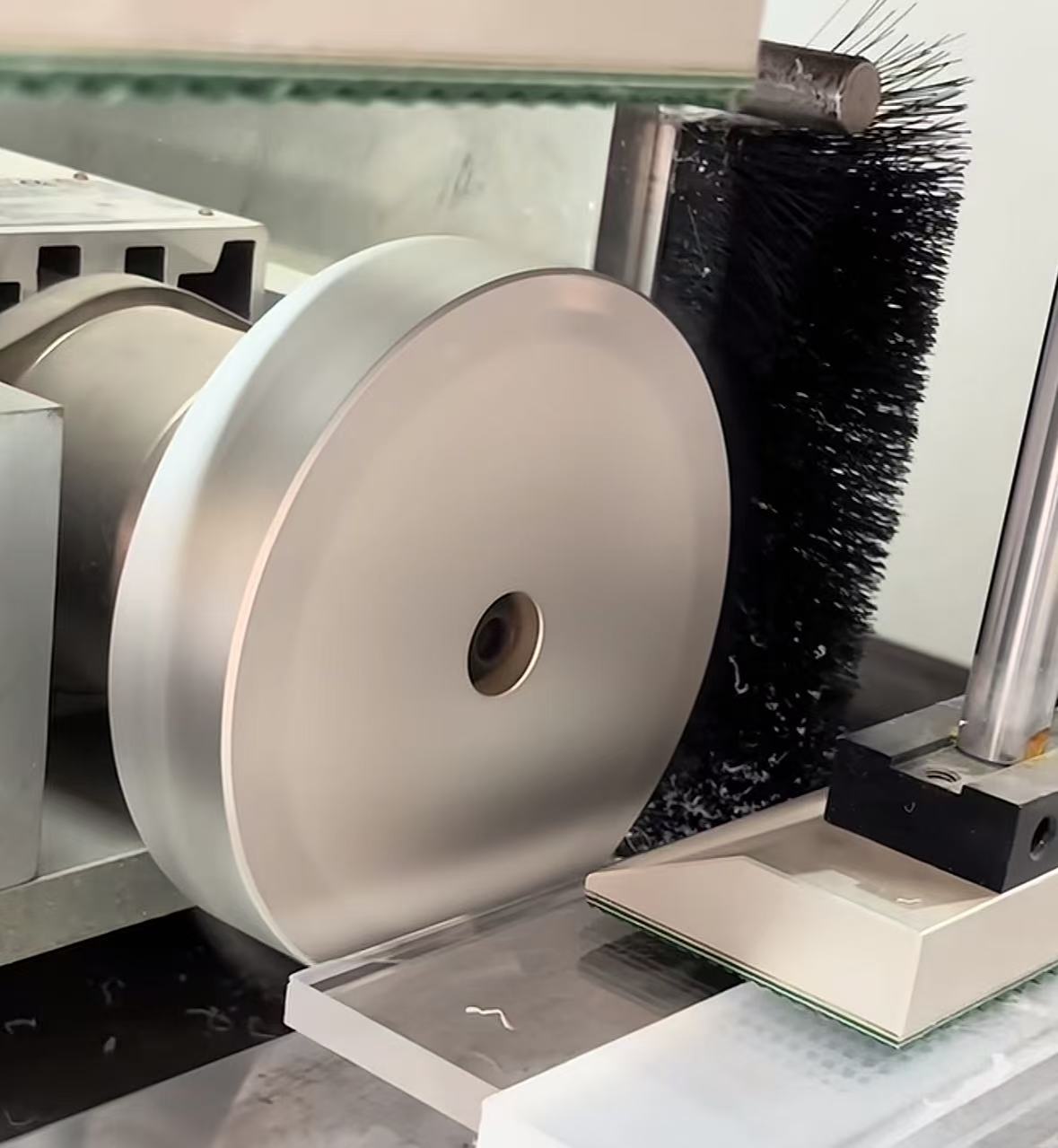
Diamond cutting is the gold standard for achieving an impeccable, jewelry-like finish on acrylic edges. Utilizing a polycrystalline diamond (PCD) tipped cutter rotating at extremely high speeds, this process shaves the material with microscopic precision rather than grinding or melting it. The result is an ultra-smooth, glass-like edge with unparalleled clarity and light refraction—often referred to as a "high-gloss" or "optical" edge—making it the preferred choice for high-end retail displays, luxury furniture, and decorative lighting where aesthetics are paramount.
However, this premium finish comes with strict limitations. It is exclusively suitable for straight-line cutting (or gentle curves on specialized equipment); it cannot produce intricate internal cutouts or complex shapes like lasers or CNC routers. There are also material restrictions: it works best on extruded acrylic and can struggle with cast acrylic, which has inconsistent densities that may cause chipping. Furthermore, it cannot cut through the full thickness of thick sheets in one pass; it is primarily a peripheral edge-finishing technique. While it eliminates the need for subsequent polishing, the specialized machinery and slower feed rates make it significantly more expensive than standard sawing or laser cutting, reserving it for projects where visual perfection justifies the premium cost.
Saw Cutting
Saw cutting is a foundational fabrication method for sizing acrylic sheets, utilizing a fine-toothed circular or table saw to physically separate the material. It accommodates an exceptionally wide range of thicknesses, from thin panels to heavy-duty blocks exceeding 50mm, providing a reliable solution for large-format sheet breakdown. Operating as a cold-cutting process, it generates minimal thermal energy, ensuring the material edges remain free from melting or heat-induced distortion. This characteristic is particularly advantageous for anti-static acrylic sheets, as the absence of high temperatures safeguards the integrity of the surface resistivity coating during the cutting phase. The resulting edges present a consistent, frosted finish, which serves as a preparatory surface ready for subsequent refinement. Designed for linear separation, this method efficiently processes straight lines and broad curves, establishing itself as a primary step in the panel preparation workflow before further machining or finishing takes place.
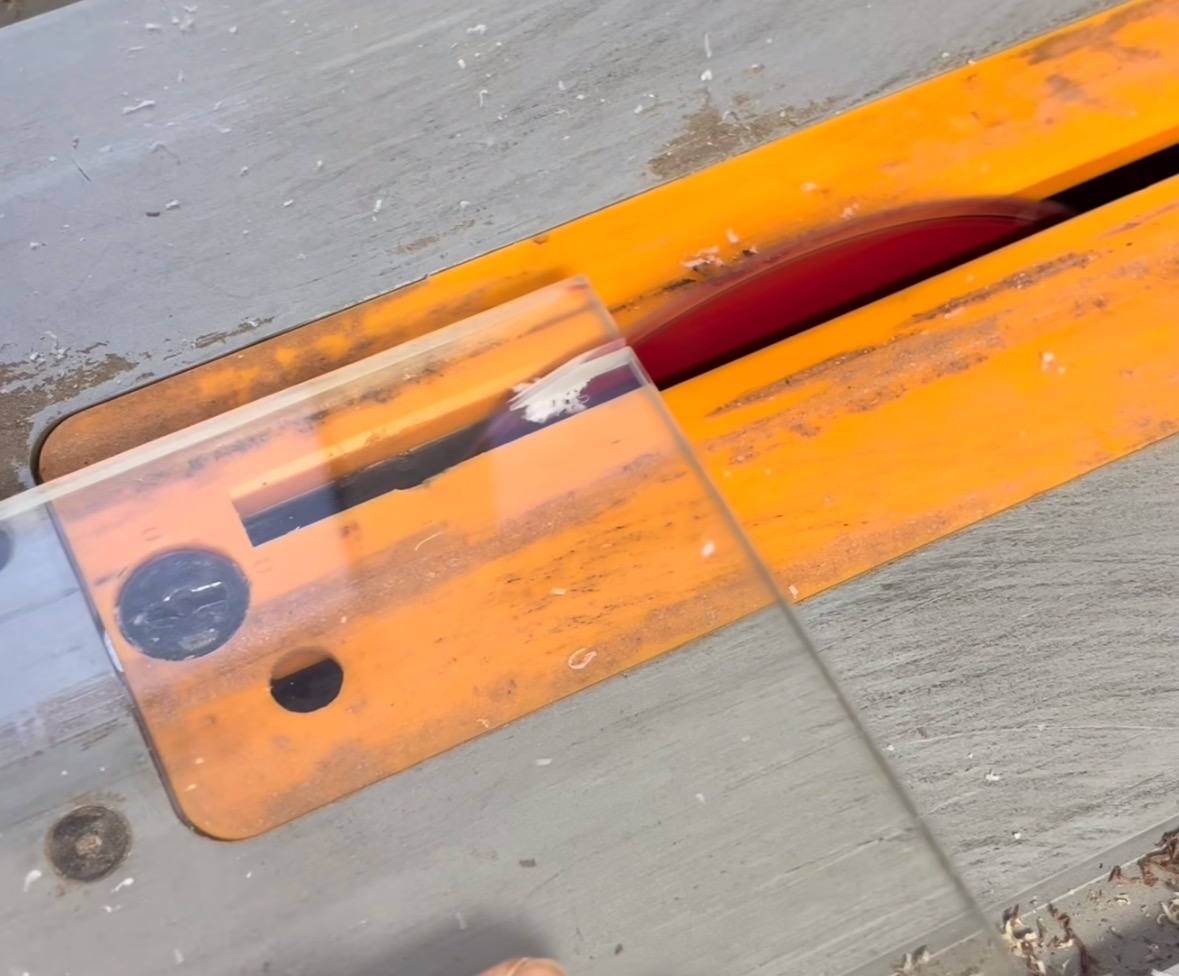
Sawing is the most economical and efficient method for cutting acrylic sheets, with its core advantages lying in its excellent thickness adaptability and absolute cold-cutting characteristics. Whether it's a sheet a few millimeters thin or an ultra-thick solid material exceeding 50mm, it can handle it with ease, generating almost no heat during the process and completely eliminating the risk of edge melting or yellowing. This is especially crucial for anti-static acrylic sheets—the absence of a heat-affected zone means the conductive coating on the surface remains undamaged, and ESD performance is fully preserved. Furthermore, with widespread availability and high processing speed, it is the best solution for cost control when performing large-volume straight-line slitting.
However, this high efficiency comes at the cost of edge precision. The saw marks and frosted finish left by sawing cannot directly achieve a transparent texture; secondary processing such as flame polishing or diamond grinding is necessary to achieve the desired result. Furthermore, limited by the physical trajectory of the tool, it excels only at handling straight lines or large-radius curves, and is completely unsuitable for complex irregular cuts, internal corner cutting, and other delicate operations. In addition, improper operation can lead to micro-cracks at the edges due to mechanical stress, and the generated fine dust requires dust removal equipment to maintain a clean environment.
Die Cutting Acrylic
Die cutting is a high-efficiency stamping process for extremely thin, flexible acrylic sheets. It uses a custom-made steel die to cut the material under instantaneous high pressure, and is widely used in the mass production of mobile phone screen protectors, keyboard light guides, and various electronic insulating pads. This process typically operates in a continuous, automated roll-to-roll mode, enabling high-speed, high-volume output of standardized parts. Furthermore, it is a completely cold-processing operation, eliminating the heat-affected zone. It not only maintains the cleanliness of the cut edges but also ensures that the pre-coated antistatic or hardened coating on the roll surface is not damaged during processing, making it an indispensable basic processing method in the modern consumer electronics and precision die-cutting industries.
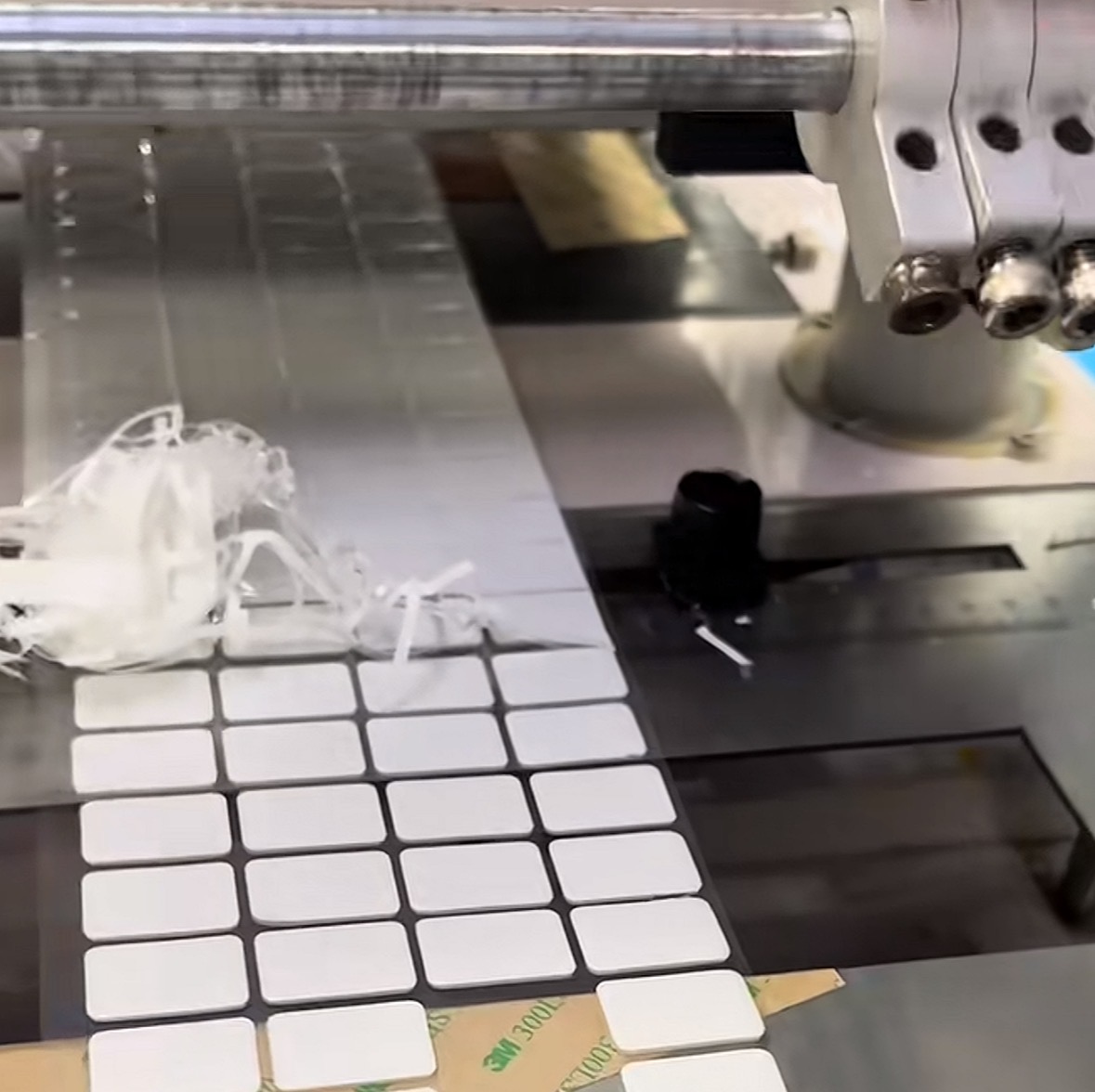
Die cutting is the king of efficiency for mass production of ultra-thin, flexible acrylic sheets. Utilizing a sharp steel die, it cuts instantly under immense pressure, boasting astonishing production speeds—dozens of parts can be produced in a single stroke. Unit costs drop dramatically with increased production volume, making it the ideal choice for mass-producing flat parts such as adhesive backing for signs, keyboard films, insulating gaskets, and mobile phone screen protectors. As a cold-cutting process, it eliminates the heat-affected zone, completely avoiding edge scorching or material deformation that can occur with laser cutting. It also does not damage the anti-static coating on the roll surface, making it ideal for producing EMI shielding gaskets and dustproof mesh in the electronics industry. Furthermore, modern rotary die-cutting technology enables continuous automated production of roll materials, significantly improving supply chain responsiveness.
Die-cutting has extremely demanding application limitations. First, it is highly sensitive to material thickness, typically only suitable for soft or flexible acrylic sheets less than 1mm thick; if the material is too hard, too thick, or contains a rigid reinforcing layer, the die will quickly chip or fail to cut through. Second, it lacks geometric flexibility; complex internal cantilevers, extremely narrow slots, or sharp internal angles can easily lead to difficulties in material removal or die damage. Furthermore, the die itself is a hard tool, and any design change means the high cost and time required for re-creation. Finally, the stamping process applies significant mechanical shearing forces to the material edges, potentially resulting in microscopic burrs (flashes) on the cut, and in thick plate or non-coil applications, its accuracy is often less stable than CNC or laser cutting.
Comparison of Acrylic Cutting Methods
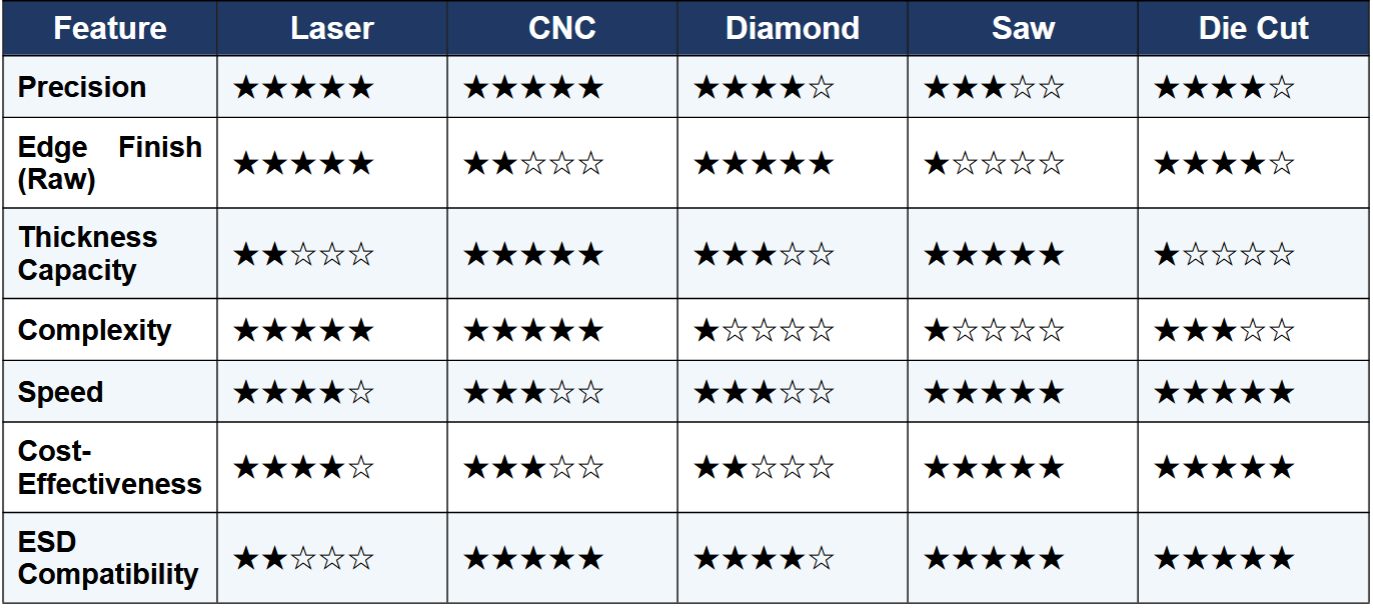
The following table rates each cutting method across seven key dimensions to help you quickly identify the best process for your project requirements.
How to Choose the Right Acrylic Cutting Method
Each cutting method excels in different scenarios. The table below maps methods to ideal use cases and typical products.
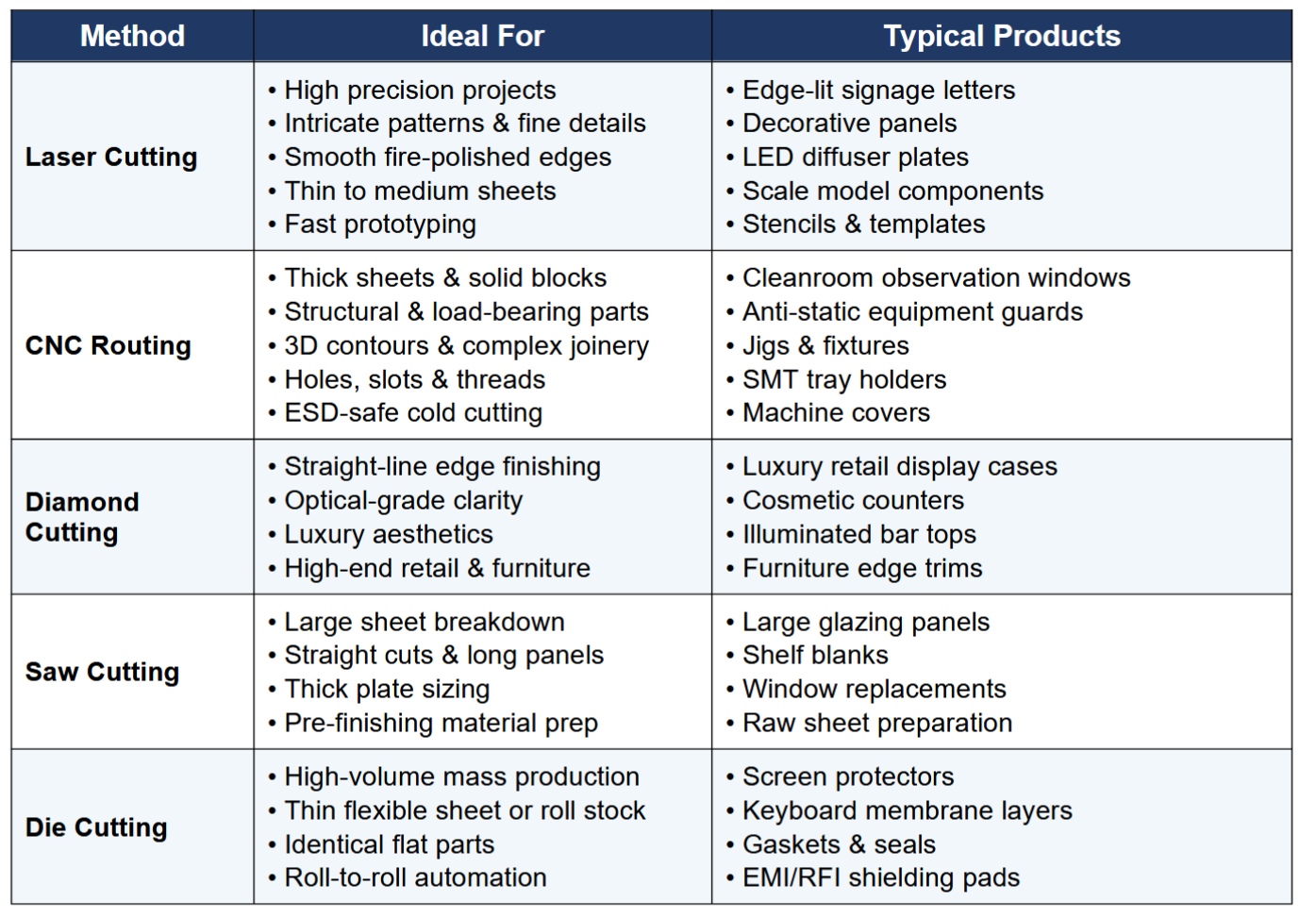
Thin + intricate + fast + non-ESD → Laser
Thick + precise + ESD-safe → CNC
Straight + cheap + thick → Saw
Mirror edge on straight line → Diamond
Thin + huge volume + same shape → Die Cut
Conclusion
Each cutting method has its own advantages, and no single process is suitable for every project. Selecting the right method requires a comprehensive assessment of material thickness, precision requirements, surface quality, budget, and production volume. Partnering with an experienced acrylic fabrication supplier can help you achieve optimal processing quality, cost control, and delivery efficiency.